





What's Happening?
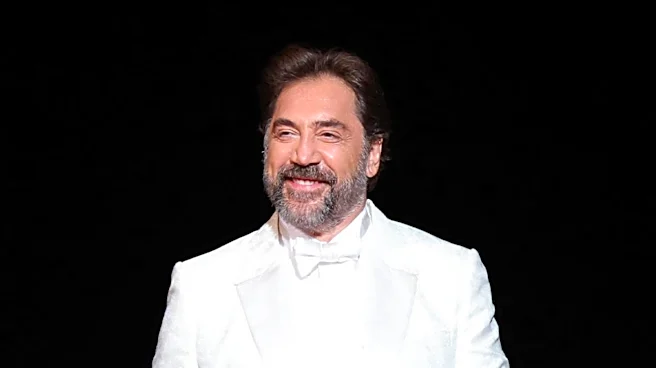
Javier Bardem, a prominent actor with over 1.5 million social media followers, has publicly refuted claims that he owns 25 properties. These rumors circulated on social media through a viral image that purported to rank celebrities and politicians by
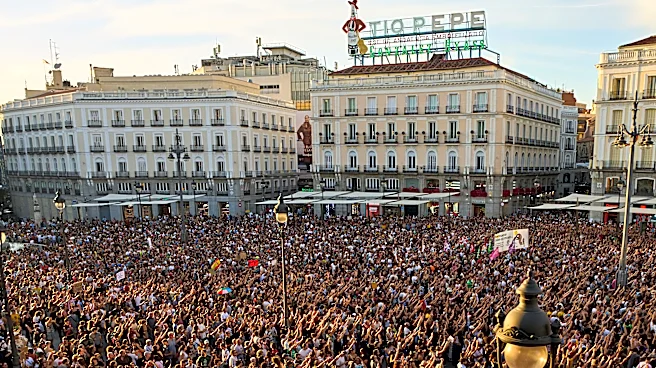
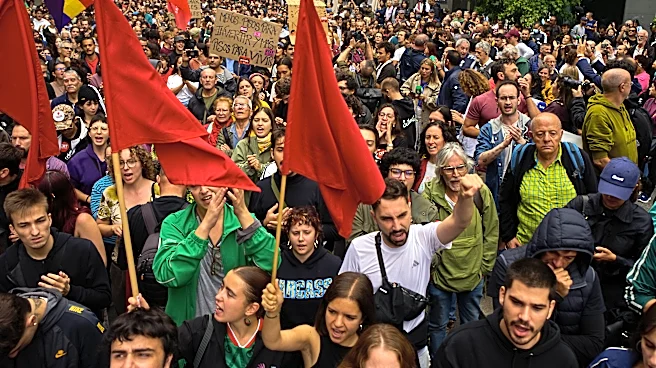
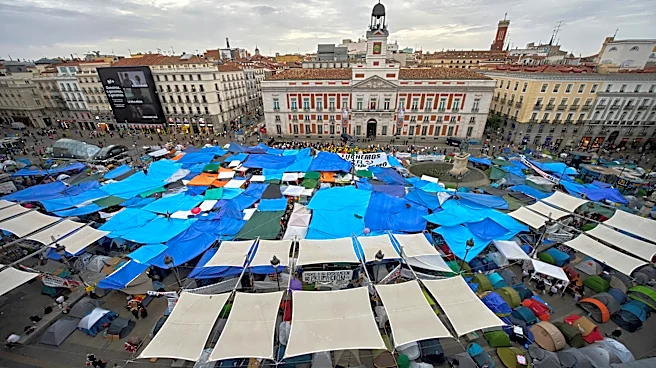
the number of real estate holdings, labeling them as 'vulture funds.' Bardem appeared at the top of this list. He responded on his Instagram stories with a mix of irony and anger, stating, '25!!!!???? I repeat... these MONOneuronal fascists no longer know what to invent to subsist,' accompanied by laughing emojis. This denial comes as Spain faces a significant housing crisis, with protests and encampments, such as the one in Puerta del Sol following the eviction of Maricarmen Abascal in Madrid. Bardem has been actively using his platform to advocate against evictions and 'vulture funds,' and to support the protesters.
Why It's Important?
This incident highlights the intersection of celebrity influence, social media misinformation, and pressing societal issues like the housing crisis. Bardem's use of his platform to address both the rumors about his personal assets and the broader housing problem underscores the role public figures can play in shaping public discourse. The rapid spread of unverified information, as seen with the viral image, demonstrates the challenges of distinguishing fact from fiction in the digital age, especially when emotionally charged topics are involved. For the public, such misinformation can erode trust in public figures and distract from the core issues of the housing crisis. For celebrities, it illustrates the constant scrutiny and potential for reputational damage from false claims, even when they are actively engaged in social advocacy.
What's Next?
Following Bardem's strong denial, it is likely that the immediate spread of this specific rumor regarding his property ownership will diminish. However, the broader issue of misinformation surrounding public figures and their assets, particularly in the context of social and economic crises, is expected to persist. Bardem will likely continue to use his social media presence to advocate for housing rights and other causes he supports, potentially leading to further engagement with his followers and the public on these issues. The ongoing housing crisis in Spain, which has prompted his activism, will continue to be a significant concern, and public figures like Bardem may face continued pressure to address their own financial situations while speaking out on such matters.
Beyond the Headlines
The incident delves into the ethical implications of public figures' wealth and their advocacy for social causes. While Bardem uses his voice to support those affected by the housing crisis, the scrutiny of his personal wealth, even if based on false information, reflects a societal expectation for consistency between public statements and private actions. This situation also touches upon the weaponization of information, where false narratives are created and disseminated to discredit individuals who speak out on controversial topics. The term 'MONOneuronal fascists' used by Bardem suggests a perception of politically motivated attacks aimed at undermining his credibility. This highlights a growing trend where personal attacks, often fueled by misinformation, are used to silence or delegitimize voices in public debate, regardless of the validity of their social concerns.