






What's Happening?
Iceland Highlights, a Reykjavík-based travel agency, has issued a guide advising tourists on the significant risks of driving in Iceland during winter, typically from October to April. The agency emphasizes that only experienced winter drivers who consistently
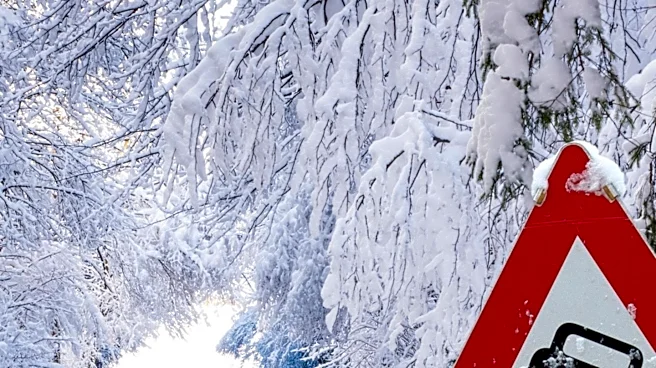
check road and weather conditions should consider renting a car. Main hazards include invisible ice, strong winds capable of damaging vehicles, limited daylight hours (especially in December with only 4-5 hours of daylight in Reykjavík), and frequent road closures. The guide highlights that not all of Iceland's 12,000 km of public roads receive daily winter service, with only about 5,000 km being regularly cleared. Studded tires are legally permitted from November 1 to April 15. The agency strongly recommends alternatives such as private drivers, guided day tours, or private airport transfers for those without extensive winter driving experience.
Why It's Important?
This advisory is crucial for the safety of tourists visiting Iceland during the winter months and has significant implications for the country's tourism industry. By clearly outlining the dangers, Iceland Highlights aims to reduce accidents and negative travel experiences, which can impact Iceland's reputation as a safe tourist destination. For rental car companies, this advice could lead to a shift in demand from self-drive rentals to guided tours or private transport services, potentially affecting their business models. The emphasis on safety and preparedness also underscores the unique challenges of Icelandic weather, promoting responsible tourism practices. This guidance helps manage tourist expectations and ensures a more enjoyable and secure visit, ultimately benefiting both visitors and the local tourism economy.
What's Next?
Tourists planning winter trips to Iceland are advised to consult official sources like road.is for live road conditions, vedur.is for weather warnings, and safetravel.is for alerts daily. The travel agency suggests booking private drivers or guided tours as safer alternatives, especially for those unfamiliar with winter driving conditions. Rental car companies may face increased scrutiny regarding their winter vehicle preparations and insurance policies, particularly concerning wind and gravel damage. The Icelandic tourism sector will likely continue to promote guided experiences and public transport options to mitigate risks associated with self-driving in challenging winter conditions, potentially leading to a long-term shift in tourist travel patterns during colder months.
Beyond the Headlines
The detailed warnings about winter driving in Iceland reflect a broader global trend of destinations educating tourists about local environmental and safety challenges. This proactive approach by Iceland Highlights goes beyond standard disclaimers, fostering a culture of informed travel. It highlights the ethical responsibility of tourism operators to prioritize visitor safety over maximizing rental car revenue. The guide also subtly promotes a deeper appreciation for local expertise, as it encourages reliance on experienced local drivers and guides. This could lead to a more sustainable tourism model where visitors engage more with local services and gain a more authentic understanding of the destination's unique conditions, rather than solely relying on independent exploration.