







What's Happening?
Millions of dollars from the settlement of the Aliso Canyon gas leak, the largest known methane leak in the United States, are now available to affected residents in the Los Angeles area. These funds are intended to help home and building owners replace
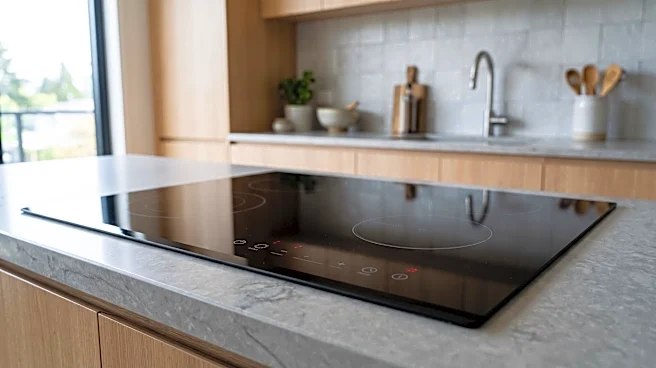
gas-powered appliances with electric alternatives. The initial release makes $20 million in incentive funding available, with a total of $40 million planned for the program. This money will support the installation of heat pumps for heating and cooling, electric stoves, water heaters, and other electric appliances. Evan Kamei, director of TECH Clean California, a state program assisting in distribution, stated that these incentives aim to create healthier homes, lower energy costs, and generate local jobs. Single-family homeowners in the affected area are eligible, with additional funding available for income-qualified residents.
Why It's Important?
This initiative is crucial for addressing the long-term health and environmental impacts of the Aliso Canyon gas leak, which sickened thousands and released nearly 100,000 tons of methane. By incentivizing the switch from gas to electric appliances, the program aims to improve indoor air quality, as gas stoves release pollutants linked to asthma and cancer. This move also contributes to broader climate change mitigation efforts by reducing reliance on fossil fuels in homes. The program's focus on income-qualified residents ensures equitable access to these benefits, helping to alleviate financial burdens while promoting healthier living environments. This settlement represents a significant step towards environmental justice and sustainable energy practices in California, potentially serving as a model for other communities affected by similar environmental disasters.
What's Next?
The first $20 million in incentive funding is now available, with the remaining $20 million to be released later. The program will initially focus on single-family homes, with access for multi-property owners to follow. Organizations involved in distributing the money, such as Copper, a California startup selling electric induction stoves, are working to facilitate the transition. The program aims to overcome cultural attachments to gas appliances by offering accessible electric alternatives that do not require extensive rewiring. Carol Kamei, a plaintiff in the case, hopes to use the funds to replace her gas oven, highlighting the personal impact and desire for healthier living. The success of this program will be measured by the number of homes that transition to electric appliances, the resulting health improvements, and the reduction in energy costs and carbon emissions.