





What's Happening?
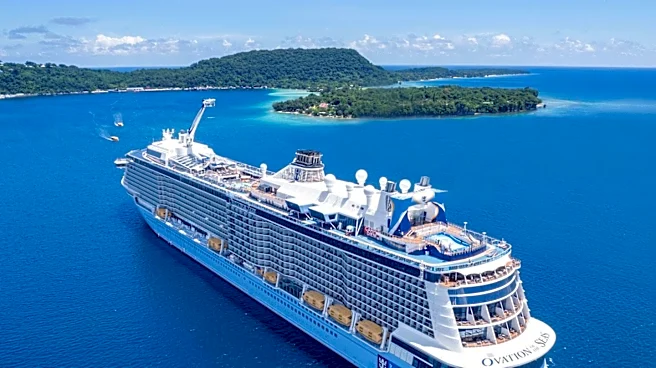
A Royal Caribbean cruise ship employee, identified as a 37-year-old pianist on the Ovation of the Seas, was rescued by two fishermen off the Southern California coast after reportedly spending approximately nine hours in the Pacific Ocean. The incident
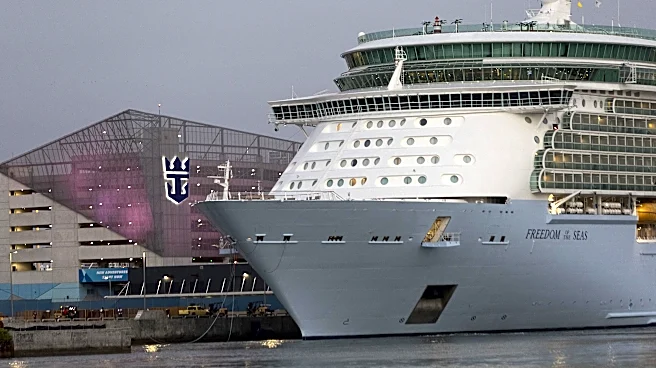
occurred on Friday, November 6, when Sean Norton and Grant Garrett, returning from a fishing trip, spotted the man treading water about 15 to 20 miles offshore near Catalina Island. The fishermen pulled the exhausted man aboard their vessel and immediately contacted emergency services. He was subsequently transported to a hospital, where authorities stated he is expected to survive. The U.S. Coast Guard has launched an investigation into the circumstances surrounding how the crew member went overboard from the ship, which was traveling from Long Beach toward Ensenada, Mexico. Royal Caribbean Group confirmed the incident, stating they are providing support to the employee but declined to release further details, citing privacy concerns.
Why It's Important?
This incident highlights the inherent dangers and unpredictable nature of maritime travel, particularly for crew members working on large cruise ships. The survival of the employee after such an extended period in open water is remarkable and underscores the critical role of civilian assistance in remote maritime emergencies. It also brings attention to the safety protocols and oversight mechanisms in place on cruise lines. The ongoing U.S. Coast Guard investigation will be crucial in determining if any systemic issues contributed to the incident, which could lead to potential adjustments in safety regulations or operational procedures for cruise operators. For Royal Caribbean, the event prompts scrutiny regarding crew welfare and onboard safety measures, potentially impacting public perception and operational policies. The successful rescue also serves as a testament to the vigilance of recreational mariners and the effectiveness of emergency response coordination in coastal waters.
What's Next?
The U.S. Coast Guard's investigation will continue to determine the exact circumstances of how the Royal Caribbean employee went overboard. This will likely involve reviewing ship logs, interviewing crew members, and examining any available surveillance footage. The findings of this investigation could lead to recommendations for improved safety protocols or changes in operational procedures for Royal Caribbean and potentially the broader cruise industry. Royal Caribbean Group will continue to provide support to the recovering crew member, though specific details will remain private. Depending on the investigation's outcome, there could be discussions within the maritime safety community about enhancing overboard detection systems or crew safety training. The incident may also prompt internal reviews by cruise lines to ensure their emergency response and crew welfare policies are robust and effective.
Beyond the Headlines
The extraordinary survival story of the Royal Caribbean pianist raises broader questions about human resilience in extreme conditions and the role of chance in life-or-death situations at sea. The relatively warm ocean temperatures, cited by one of the fishermen as a potential factor in his survival, highlight the environmental variables that can influence outcomes in maritime incidents. This event also subtly underscores the often-unseen lives and working conditions of cruise ship crew members, who spend extended periods at sea. While the focus is on the dramatic rescue, the incident could prompt a deeper look into the mental health support and safety nets available to employees in the demanding cruise industry. Furthermore, it serves as a powerful reminder of the interconnectedness of maritime communities, where recreational boaters can play a vital role in emergency situations far from shore, often acting as the first line of rescue.