






What's Happening?
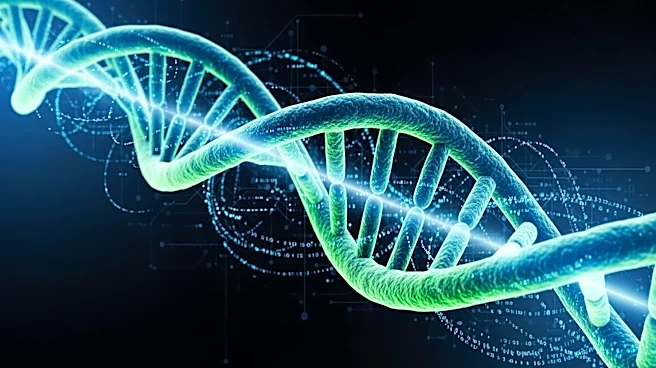
A team of U.S. researchers has developed a novel DNA encryption method to protect engineered cells from unauthorized access. This approach involves scrambling the DNA of a cell, rendering its instructions non-functional until a precise sequence of chemicals
is applied to unlock it. The method was tested through an ethical hacking exercise, where a 'red team' attempted to breach the system. Initially, they identified weak spots, but after improvements, the system's security was significantly enhanced, reducing the chance of unauthorized access to 0.2%. This development is particularly significant given the increasing theft and smuggling of high-value biological materials, which could be misused if they fall into the wrong hands.
Why It's Important?
The advancement in DNA encryption represents a significant leap in biological security, particularly for high-value genetic assets used in biotechnology, medicine, and research. As the global market for engineered cells is projected to reach $8 trillion by 2035, securing these assets is crucial to prevent their misuse in creating bioweapons or causing environmental harm. This technology not only protects the genetic material but also transforms it into its own security system, potentially reducing reliance on physical security measures like locks and guards. The implications for industries reliant on genetic engineering are profound, as this could set a new standard for safeguarding sensitive biological data.
What's Next?
Further research is needed to determine the applicability of this DNA encryption method to other organisms and its scalability to protect multiple genes or assets within a single cell. As the technology matures, it could lead to widespread adoption across various sectors, enhancing the security of genetic materials. Stakeholders in biotechnology and related fields may need to consider integrating such security measures to protect their intellectual property and comply with potential future regulations. Additionally, the ethical and legal frameworks surrounding the use of such technology will likely evolve, requiring ongoing dialogue among scientists, policymakers, and industry leaders.
Beyond the Headlines
This development highlights a shift towards integrating cybersecurity principles into biological security, reflecting broader trends in interdisciplinary innovation. The use of ethical hacking in the research process underscores the importance of proactive security testing in developing robust systems. As the technology advances, it may also raise ethical questions about the control and ownership of genetic information, necessitating careful consideration of privacy and consent issues. The potential for this technology to be applied beyond engineered cells, such as in personal genetic data protection, could have far-reaching implications for privacy and data security in the digital age.