




What's Happening?
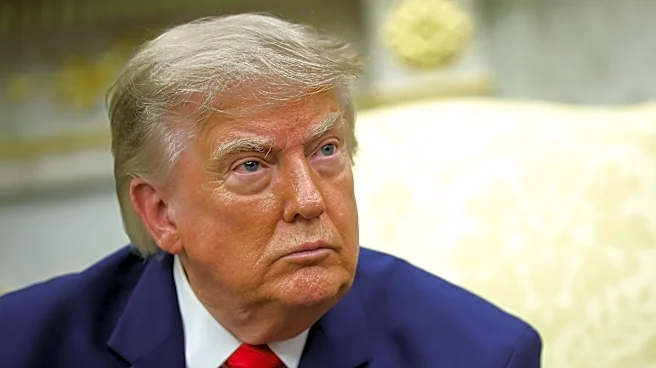
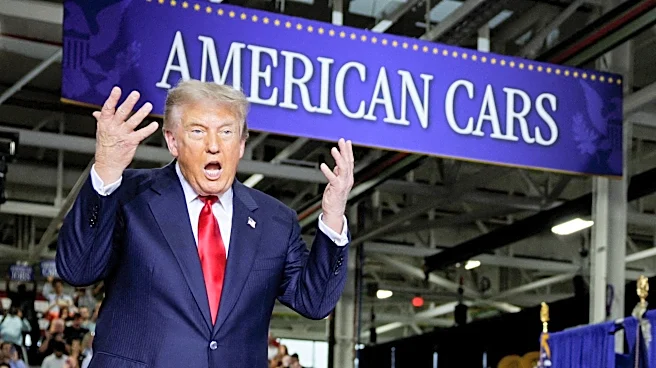
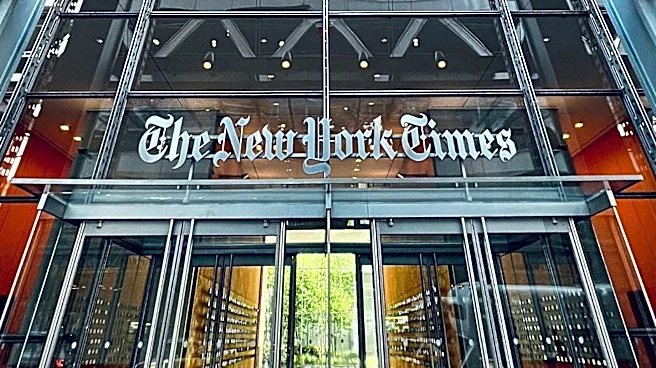
A federal judge has granted President Trump permission to amend his defamation lawsuit against The New York Times. The lawsuit, originally filed in September, challenges articles that Trump claims misrepresented his rise to fame and alleged scandals.
The judge's decision allows Trump until August 27 to file a revised complaint. The Times and other defendants have moved to dismiss the case, arguing it lacks merit and was filed in an improper venue. The lawsuit is part of Trump's broader legal strategy to challenge media narratives he deems unfavorable.
Why It's Important?
This legal development highlights ongoing tensions between President Trump and major media outlets, reflecting broader debates about media bias and freedom of the press. The case underscores the challenges public figures face in proving defamation, particularly when it involves subjective interpretations of public events. The outcome of this lawsuit could have implications for media organizations, potentially influencing how they report on high-profile figures. It also raises questions about the balance between protecting reputations and upholding journalistic freedom.
What's Next?
As the case progresses, both parties will prepare for further legal proceedings, with potential implications for media law and defamation standards. The Times' defense will likely focus on First Amendment protections, while Trump's team will aim to demonstrate actual malice. The case may set precedents for future defamation suits involving public figures, impacting how media outlets approach investigative reporting. Observers will be watching for any shifts in legal interpretations that could affect the media landscape.