
What's Happening?
Jennifer Murtazashvili, a professor at the University of Pittsburgh, currently residing in Israel, has expressed concerns over the misleading online narratives about the ongoing conflict involving Iran. In an op-ed, she describes the situation as an 'alt-war,'
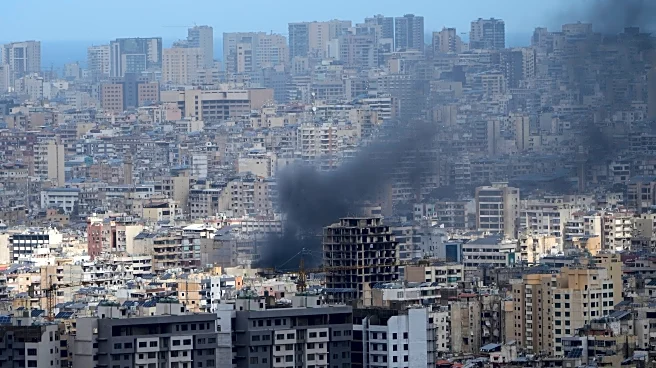
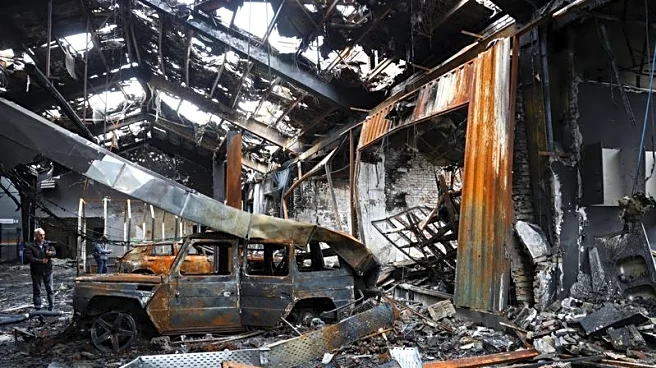
where the online portrayal of the conflict diverges significantly from the reality on the ground. Murtazashvili notes that while many viral videos depict chaos and destruction, daily life in Israel continues with relative normalcy, thanks to the effectiveness of the Iron Dome defense system. She argues that the strategic situation is more favorable for the United States and Israel than what is being portrayed online, with Iran's options narrowing to outcomes that could benefit Israel.
Why It's Important?
The divergence between online narratives and on-the-ground realities can have significant implications for public perception and policy-making. Murtazashvili's observations highlight the potential for misinformation to shape international opinions and decisions. This discrepancy can lead to misinformed public discourse and potentially influence political and military strategies. The situation underscores the importance of critical media consumption and the need for accurate reporting, especially in conflict zones. The narrative being constructed online may affect diplomatic relations and public support for military actions, impacting the broader geopolitical landscape.
What's Next?
As the conflict continues, it is likely that the disparity between online narratives and reality will persist, potentially influencing international responses and policy decisions. Stakeholders, including governments and media organizations, may need to address the spread of misinformation and work towards providing more accurate representations of the situation. The ongoing dialogue about the role of media in conflict zones could lead to increased scrutiny of information sources and a push for more reliable reporting standards.