






What's Happening?
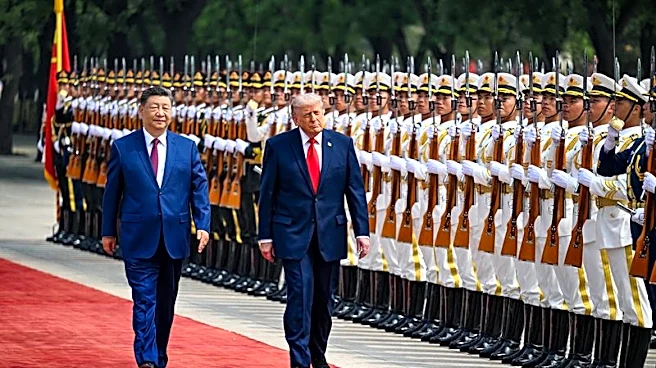
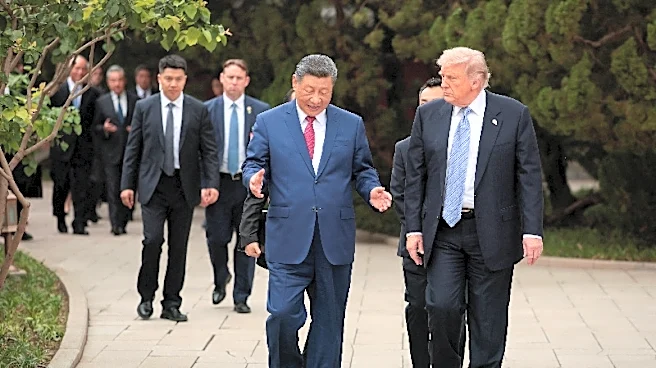
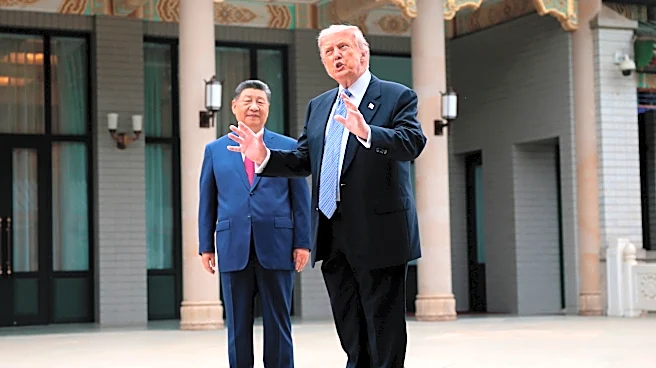
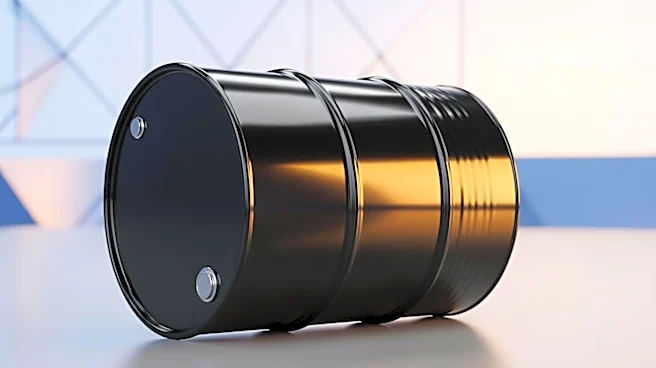
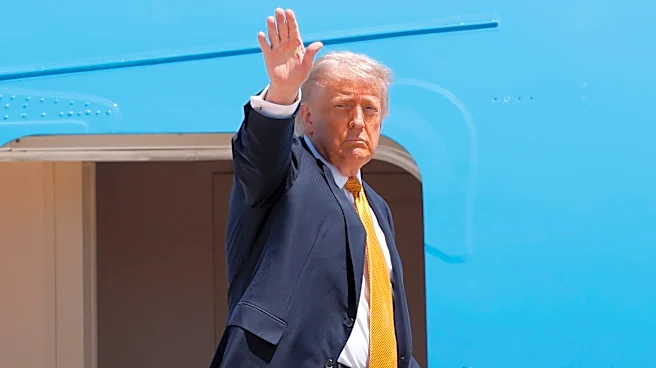
President Trump announced that China has agreed to purchase American oil during a bilateral summit with Chinese President Xi Jinping. The agreement is part of efforts to secure concrete trade and business wins between the two nations. Trump highlighted
China's 'insatiable appetite' for energy and the U.S.'s capacity to supply it. The discussions also covered geopolitical issues, including Iran and the Strait of Hormuz, with both leaders agreeing on the importance of keeping the strait open and free of military escalation. The announcement has implications for global energy markets and U.S.-China relations.
Why It's Important?
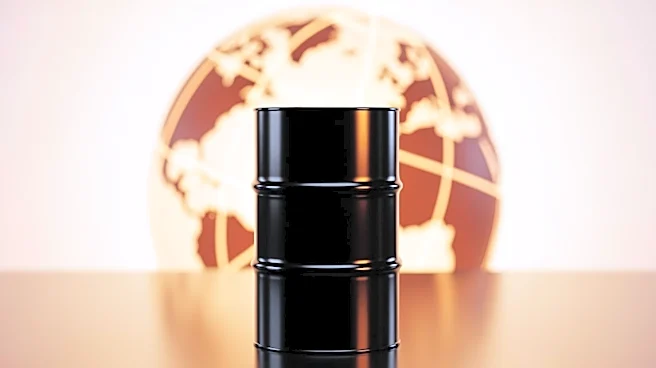
China's agreement to buy U.S. oil could significantly impact the U.S. energy sector, potentially boosting American oil exports and reducing China's reliance on Iranian oil. This shift could alter global oil trade dynamics and impact oil prices. For the U.S., increased oil sales to China could support domestic energy production and contribute to economic growth. However, the geopolitical context, including U.S.-Iran relations and China's role in the Middle East, adds complexity to these potential transactions. The outcome of these negotiations could influence global energy markets and international relations.
What's Next?
Further discussions between the U.S. and China are likely as both countries explore the potential for increased energy trade. The U.S. may continue to negotiate terms that align with its strategic interests, including addressing security concerns in the Strait of Hormuz. The response from other global oil producers and the impact on international oil prices will be closely monitored. Additionally, the U.S. will need to navigate its diplomatic relations with Iran and other Middle Eastern countries as it pursues these energy deals.