




What's Happening?
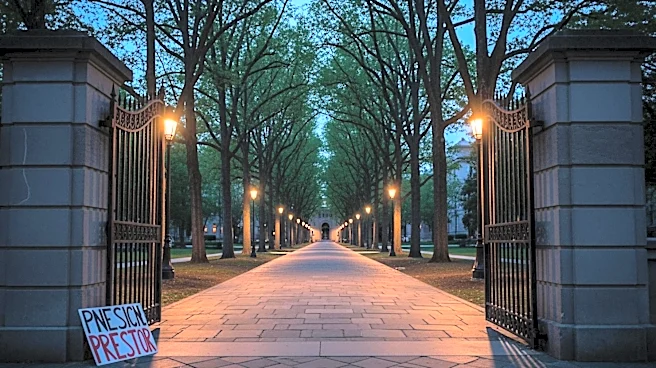
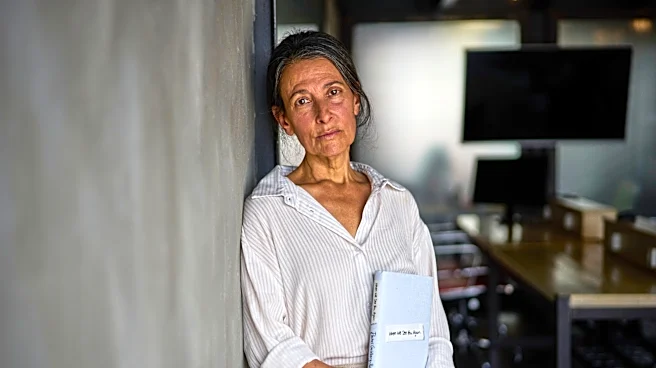
Three professors at Emory University in Atlanta have filed a lawsuit against the institution following their arrests during a 2024 campus protest related to the Israel-Hamas war. The professors, Noelle McAfee, Emilio Del Valle-Escalante, and Caroline
Fohlin, allege that the university violated its own free speech policies by involving police and state troopers to disperse the protest, resulting in 28 arrests. The lawsuit claims that Emory failed to protect the educational mission of the university and the rights of its students and staff. The professors, who were not convicted of any charges, are seeking reimbursement for legal expenses and punitive damages. Emory University maintains that the lawsuit is without merit and asserts that its actions were necessary to ensure community safety.
Why It's Important?
This lawsuit highlights ongoing tensions on U.S. college campuses regarding free speech and the handling of protests, particularly those related to contentious international issues like the Israel-Hamas conflict. The case underscores the challenges universities face in balancing campus safety with the protection of free expression. The outcome of this lawsuit could set a precedent for how universities nationwide handle similar situations, potentially influencing policies on campus protests and free speech. The case also reflects broader societal debates about the limits of free speech and the role of academic institutions in fostering open dialogue.
What's Next?
The legal proceedings will likely involve a detailed examination of Emory University's policies and actions during the protest. The case may prompt other universities to review and possibly revise their own policies regarding campus protests and free speech. Stakeholders, including civil rights organizations and academic bodies, may weigh in on the case, potentially influencing public opinion and policy decisions. The lawsuit could also lead to increased scrutiny of how universities handle protests, particularly those involving politically sensitive issues.
Beyond the Headlines
The lawsuit raises questions about the 'Palestine exception,' a term used by advocates to describe perceived biases against pro-Palestinian speech on campuses. The case may contribute to ongoing discussions about academic freedom and the responsibilities of educational institutions in addressing controversial topics. It also highlights the potential for legal and reputational risks for universities that are perceived to suppress free speech, which could impact their relationships with students, faculty, and the broader community.