









What's Happening?
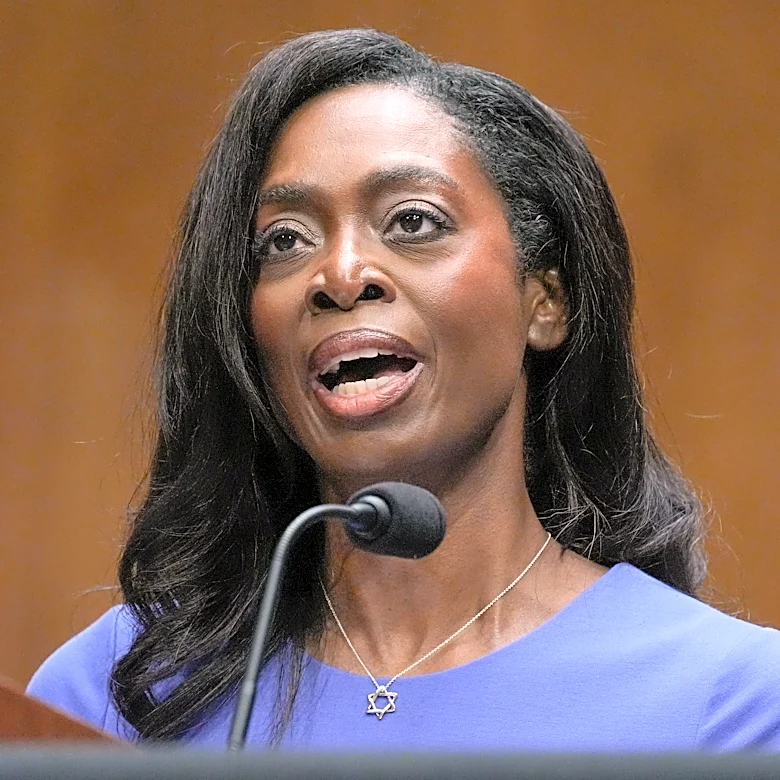
California lawmakers are working to revive a law that would require the state to publicly identify companies employing 100 or more people who are enrolled in Medi-Cal, California's Medicaid program. This move comes as the Trump administration's deadline
for states to enforce a new Medicaid work requirement approaches. The proposed legislation, authored by Democratic state Sen. Lola Smallwood-Cuevas, aims to increase transparency about large employers that may be shifting healthcare costs onto the public. The bill is part of a broader effort to address the financial strain on Medicaid, which has seen significant enrollment losses, particularly among children. Large companies like Walmart and Amazon have been highlighted in similar efforts in Nevada, where they argue that part-time and seasonal workers are included in Medicaid counts, despite offering affordable medical coverage to most employees.
Why It's Important?
The push to identify companies with employees on Medicaid highlights the ongoing debate over healthcare affordability and employer responsibility. As states face potential funding losses under federal work requirements, the financial burden on Medicaid is expected to increase. This could lead to more uninsured individuals, exacerbating public health challenges and increasing emergency room visits. The legislation reflects a growing concern about the sustainability of the Medicaid program and the need for large employers to contribute more significantly to their employees' healthcare costs. The outcome of this legislative effort could set a precedent for other states grappling with similar issues, potentially influencing national healthcare policy and employer practices.
What's Next?
If the California bill passes, it could lead to increased scrutiny of large employers and potentially prompt similar legislative efforts in other states. The bill's progress will be closely watched by both business leaders and healthcare advocates, as it could impact how companies structure employee benefits and influence public policy on healthcare funding. Additionally, the outcome may affect the political landscape, as state leaders balance economic growth with social welfare responsibilities. The potential for increased taxes on businesses to cover healthcare costs could also become a contentious issue in future elections.