
What's Happening?
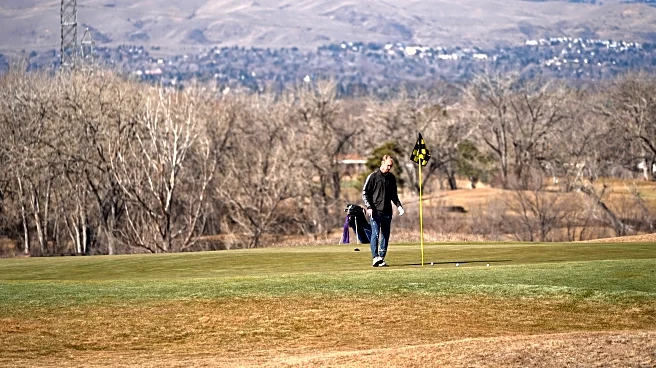
Colorado is experiencing a record-low snowpack, the worst since 1987, due to an unseasonably warm winter with minimal snowstorms. This situation is affecting various sectors, including ski resorts, agriculture, and water supply. The state's snowpack is crucial
as it provides water to 19 downstream states. The lack of snow is impacting ski resort visitation, with Vail Resorts reporting a 20% decline in visitors. Water agencies are considering drought restrictions, and farmers are adjusting crop plans due to anticipated water shortages. The low snowpack also poses risks for wildlife and increases the potential for early and severe wildfires.
Why It's Important?
The low snowpack in Colorado has significant implications for the state's economy and environment. Ski resorts, a major economic driver, are facing reduced visitation, affecting local economies. Water shortages could lead to stricter drought measures, impacting agriculture and urban water supply. The situation also raises concerns about increased wildfire risks, which could threaten communities and natural habitats. The broader impact extends to 19 states that rely on Colorado's snowmelt for water, highlighting the importance of effective water management strategies.
What's Next?
Colorado's water agencies and farmers are closely monitoring weather forecasts, hoping for increased snowfall to mitigate the current drought conditions. However, the likelihood of achieving a normal snowpack is diminishing. Water agencies may implement stricter drought measures, and farmers may need to adjust crop plans further. The state is also preparing for an early and potentially severe wildfire season, urging residents to take preventive measures. Long-term, Colorado may need to invest in additional water storage solutions and explore alternative water management strategies.