





What's Happening?
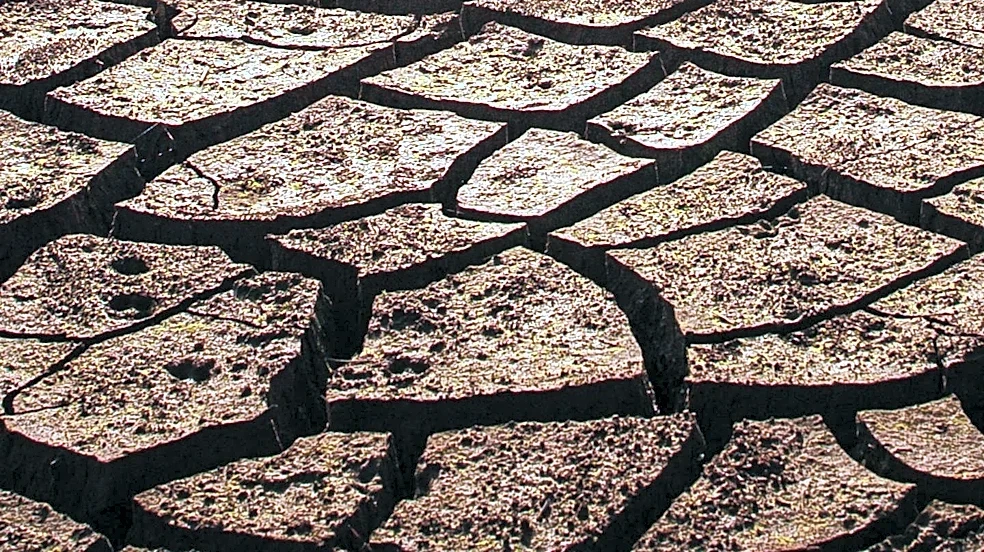
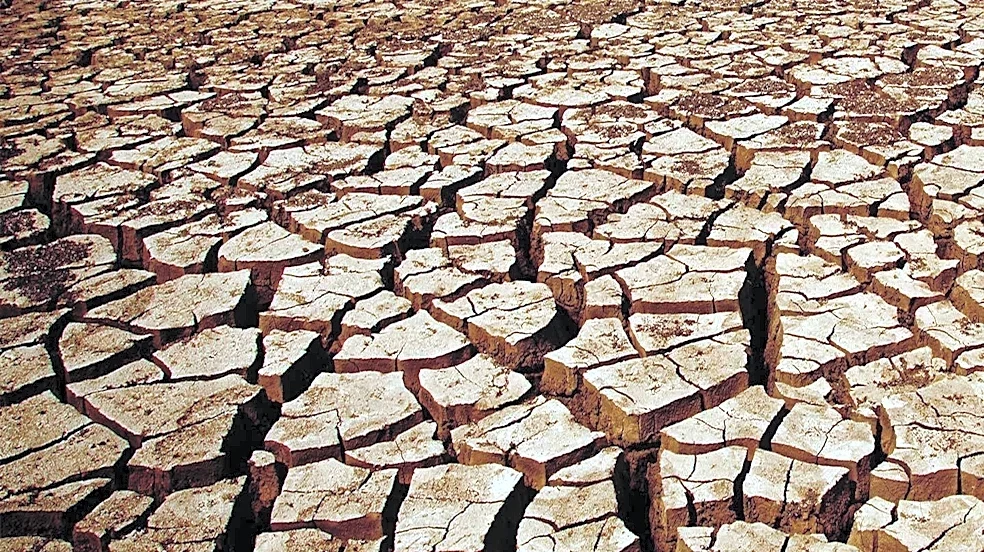
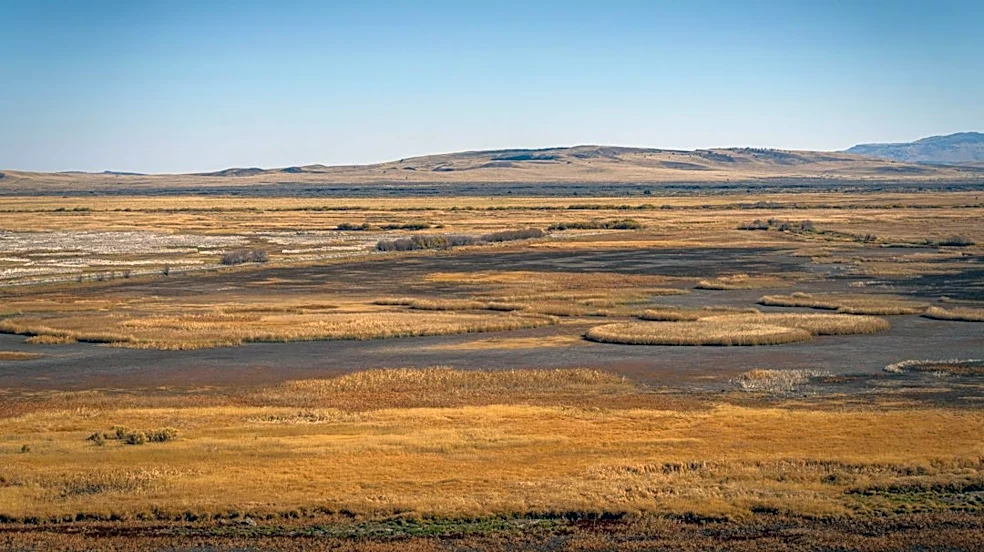
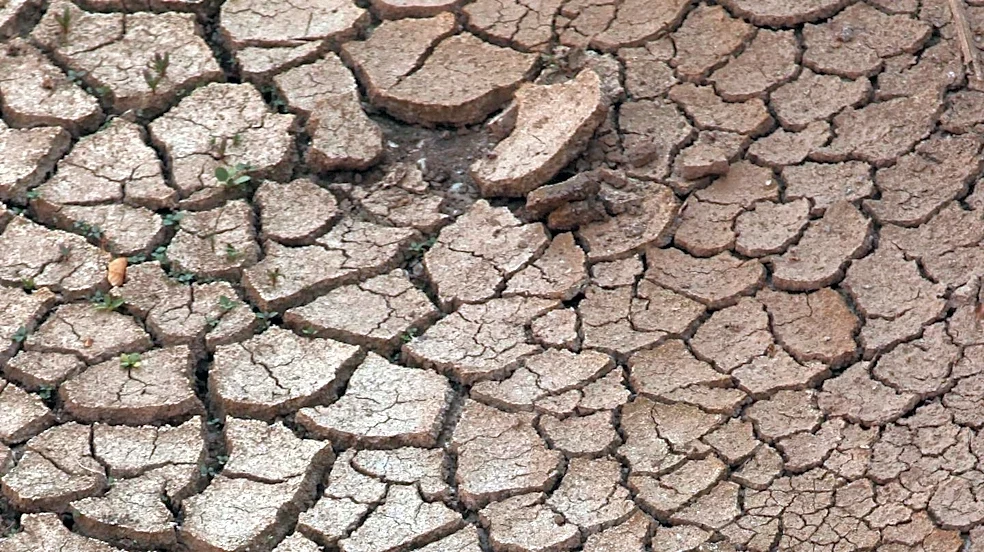
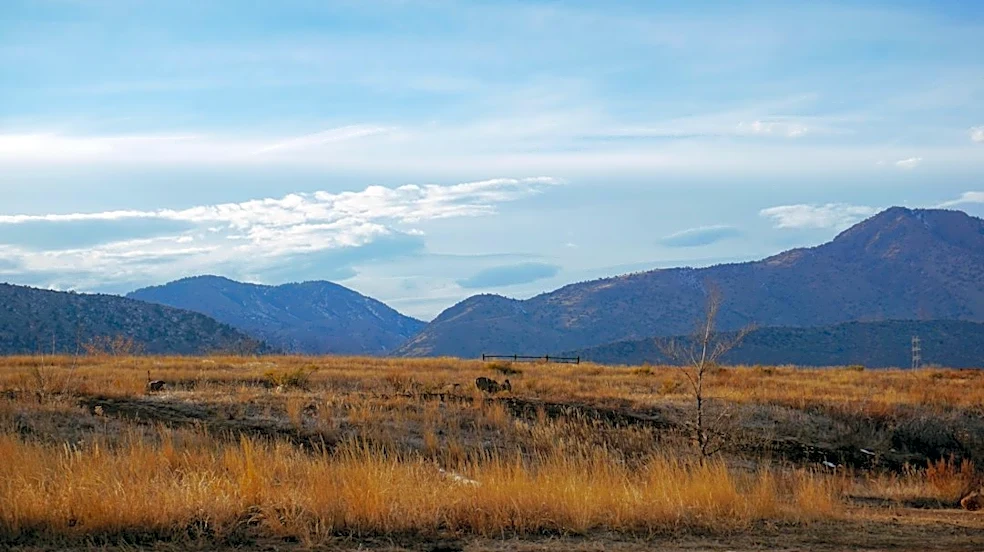
An extended dry weather pattern is intensifying drought concerns across western Kentucky and southeast Illinois. Despite pleasant temperatures and sunny skies continuing through Friday, no significant rainfall is forecasted until the middle of next week.
This prolonged dry spell is particularly worrying because precipitation through the end of October is projected to be below normal, exacerbating the already drought-stricken conditions in these areas. The region is experiencing daily high temperatures that are 5-10 degrees above normal, further contributing to the dryness. While patchy fog is expected early, conditions will quickly clear, leading to sunny days and low afternoon humidity.
Why It's Important?
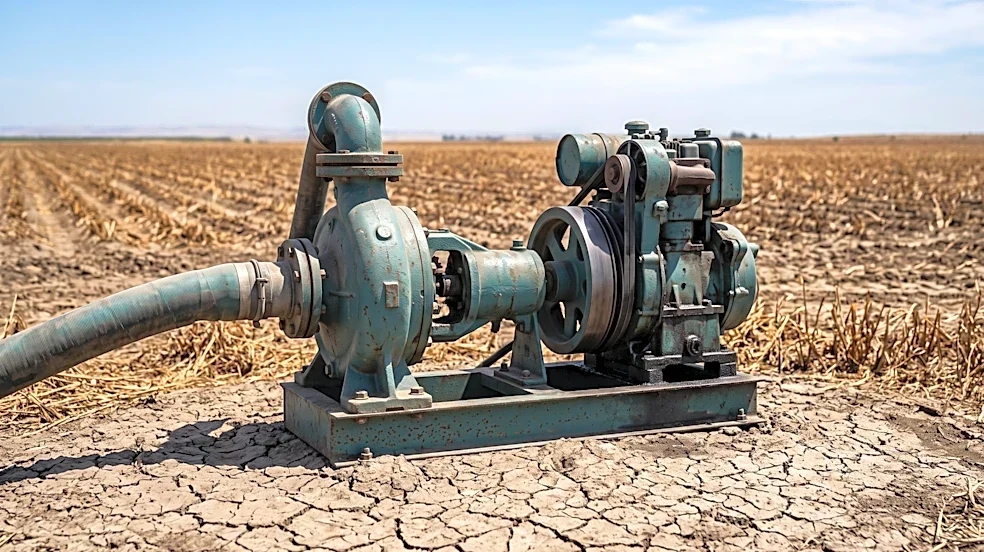
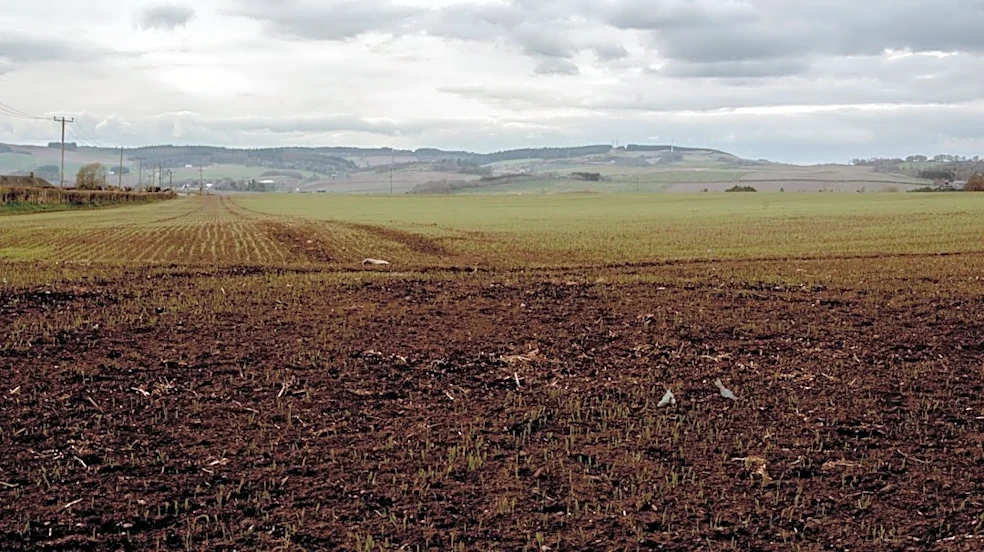
The deepening drought in western Kentucky and southeast Illinois carries significant implications for agriculture, water resources, and local economies. Farmers in these regions rely on consistent rainfall for crop growth, and prolonged dryness can lead to reduced yields, increased irrigation costs, and potential crop failures. This can result in substantial financial losses for agricultural businesses and impact the food supply chain. Beyond agriculture, drought conditions can strain municipal water supplies, increase the risk of wildfires, and negatively affect local ecosystems. The lack of forecasted rain for an extended period means that these concerns will likely intensify, potentially leading to more severe water restrictions and economic hardship for affected communities.
What's Next?
The immediate outlook indicates that the dry pattern will persist for at least another week, with no significant rainfall expected until mid-next week. Residents and agricultural operators in western Kentucky and southeast Illinois will need to continue monitoring weather updates closely. If the below-normal precipitation trend continues through October, local authorities may consider implementing water conservation measures or issuing drought advisories. Farmers will likely face difficult decisions regarding their crops and livestock, potentially requiring adjustments to planting schedules or increased reliance on alternative water sources. The long-term impact will depend on whether the region receives sufficient rainfall in the coming months to alleviate the current deficit.
Beyond the Headlines
The ongoing drought in western Kentucky and southeast Illinois highlights the increasing frequency and intensity of extreme weather events, which can have far-reaching consequences beyond immediate economic losses. Prolonged dry spells can lead to changes in soil composition, making it harder for future crops to thrive even after rain returns. There are also ecological impacts, such as stress on local wildlife and increased vulnerability to pests and diseases. This situation may prompt local and state governments to invest in more robust water management infrastructure and long-term climate resilience strategies to protect agricultural interests and ensure water security for communities in the face of a changing climate.