




What's Happening?
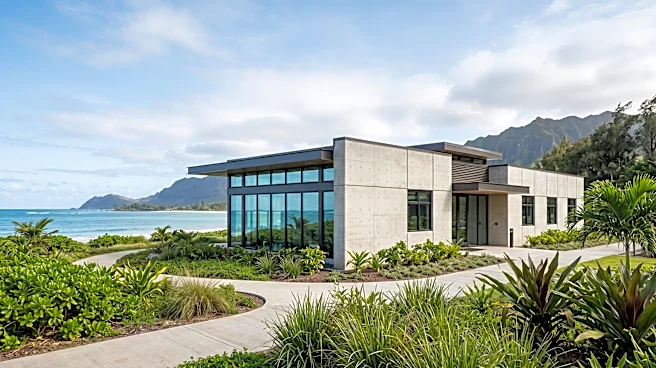
The City and County of Honolulu announced the completion of the new Kailua Operations Annex (KOA) on November 4, 2026. This facility, located near Kailua Beach Park, marks the first permanent, purpose-built base for the Honolulu Ocean Safety Department
(HOSD) to support lifeguard operations along Oʻahu’s Windward coast. HOSD Chief Kurt Lager highlighted the significance of the 1,680-square-foot building, which includes offices, a bathroom, a kitchenette, a board storage room, and an apparatus bay for vehicles, replacing previous interim facilities. Additionally, HOSD celebrated the graduation of its Fall 2026 recruit class on October 28, with ceremonies now held in more formal settings. The department has also modernized its operations by transitioning to a fully digital reporting system called Watchtower in June, allowing lifeguards and supervisors to record daily activities electronically and access real-time operational data. Deputy Chief Jimmy Barros expressed pride in the workforce's adaptation to the new technology. In the coming months, HOSD plans to launch a beach-specific QR-code project to provide live Watchtower data and public safety information directly to beachgoers.
Why It's Important?
The completion of the Kailua Operations Annex is a significant upgrade for Honolulu's ocean safety infrastructure, providing lifeguards with a dedicated and modern facility after decades of operating from temporary setups. This investment is crucial for enhancing the efficiency and effectiveness of lifeguard services along a critical stretch of Oʻahu's coastline, directly impacting public safety for residents and tourists. The transition to the Watchtower digital reporting system represents a major leap in operational modernization, enabling real-time data collection and analysis. This technological advancement can lead to more informed decision-making, improved resource allocation, and quicker responses to incidents, ultimately enhancing the overall safety of Honolulu's beaches. The elevated graduation ceremonies for new recruits also signify a growing recognition and professionalization of the lifeguard service, potentially attracting more talent to this vital public safety role. These developments collectively aim to strengthen Honolulu's capacity to manage beach safety and emergency response.
What's Next?
In the immediate future, the Honolulu Ocean Safety Department will continue to integrate the new Kailua Operations Annex into its daily operations, optimizing its use for lifeguard support along the Windward coast. The department will also proceed with the full implementation of the Watchtower digital reporting system, ensuring all personnel are proficient in its use to maximize its benefits for real-time data collection and operational oversight. A key upcoming initiative is the rollout of the beach-specific QR-code project. This project aims to extend live Watchtower data and public safety information directly to beachgoers, providing them with immediate access to critical safety updates and conditions. This direct communication channel could significantly enhance public awareness and preventative safety measures. The department will likely monitor the effectiveness of these new facilities and technologies, gathering feedback from lifeguards and the public to make further improvements and adjustments as needed, continuing its efforts to modernize and enhance ocean safety services.
Beyond the Headlines
The investment in the Kailua Operations Annex and the adoption of the Watchtower digital system reflect a broader trend in public safety agencies towards leveraging technology and modern infrastructure to improve service delivery. This move by the Honolulu Ocean Safety Department highlights a commitment to professionalizing the lifeguard service, not just through better facilities but also through data-driven operations. The real-time data capabilities of Watchtower could set a new standard for beach safety management, potentially influencing other coastal communities to adopt similar technological solutions. Furthermore, the direct provision of safety information to beachgoers via QR codes represents an innovative approach to public engagement and risk communication, empowering individuals with immediate access to critical safety data. This proactive stance in public safety, combining physical infrastructure improvements with digital innovation, underscores a strategic vision for enhancing community well-being and emergency preparedness in a dynamic coastal environment.