





What's Happening?
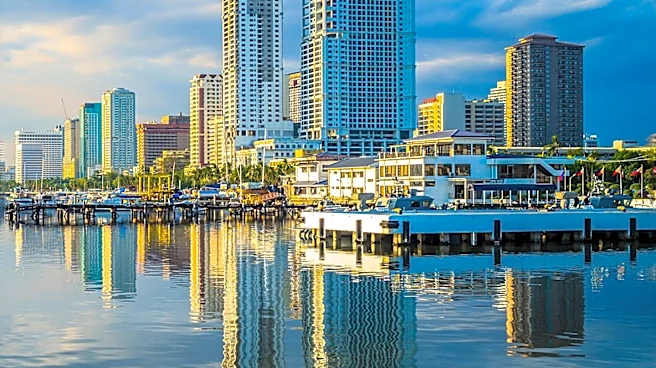
Catholic Relief Services (CRS), the official international humanitarian agency of the Catholic community in the United States, is actively recruiting a Project Officer for its CAPACities Project in Tagbilaran City, Bohol, Philippines. This role involves
monitoring and reporting on project activities to support CRS's mission of serving vulnerable populations. The successful candidate will ensure the consistent application of best practices and work towards improving the impact of the project's benefits. CRS Philippines, established in 1945, is the organization's longest-running country program globally, with extensive work in emergency response, early recovery, disaster risk reduction, climate resilience, and peace governance. The Philippines country program has over 70 staff members across Manila, Davao, and Cotabato City, and collaborates with church partners, government agencies, and secular NGOs throughout the country. Basic qualifications for the Project Officer position include a relevant Bachelor's degree and a minimum of two years of experience in project support, with a focus on participatory action planning and community engagement. Preferred qualifications include experience in coordinating and monitoring project activities, data collection, and experience in disaster risk reduction (DRR) and climate resilience, particularly within an NGO setting.
Why It's Important?
This recruitment highlights the ongoing commitment of Catholic Relief Services, a U.S.-based humanitarian agency, to international development and aid, particularly in regions susceptible to natural disasters and climate change impacts like the Philippines. The CAPACities Project, by focusing on disaster risk reduction and climate resilience, addresses critical vulnerabilities in the region. The long-standing presence of CRS in the Philippines, dating back to 1945, underscores the sustained U.S. engagement in humanitarian efforts abroad. The project's emphasis on community engagement and local partnerships is crucial for building sustainable solutions and empowering local communities to better withstand and recover from crises. For the U.S., supporting such initiatives through organizations like CRS contributes to its foreign policy objectives of promoting stability, humanitarian values, and global resilience, while also demonstrating the impact of American philanthropic and faith-based organizations on an international scale. The role of the Project Officer is vital in ensuring the effective implementation and accountability of these programs, directly impacting the lives of vulnerable individuals and communities.
What's Next?
The recruitment process for the Project Officer position will proceed with applications being reviewed based on the outlined basic and preferred qualifications. Once selected, the Project Officer will integrate into the CAPACities project team in Tagbilaran City, Bohol. Their immediate responsibilities will involve actively monitoring and reporting on project activities, ensuring adherence to best practices, and contributing to the project's overall effectiveness. This will likely involve close collaboration with local partners, community members, and other CRS staff. The ongoing work of the CAPACities Project will continue to focus on strengthening community resilience against disasters and climate change, with the new Project Officer playing a key role in its operational success. CRS Philippines will continue its extensive programming across emergency response, early recovery, disaster risk reduction, climate resilience, and peace governance, further solidifying its long-term commitment to the region and its partnerships with various stakeholders.
Beyond the Headlines
The continuous operation of Catholic Relief Services in the Philippines since 1945 reflects a deeper, enduring aspect of U.S. humanitarian engagement that transcends political cycles. This long-term commitment highlights the role of faith-based organizations in providing consistent support to vulnerable populations globally, often filling gaps where governmental aid might be less agile or comprehensive. The focus on disaster risk reduction and climate resilience in the CAPACities Project is particularly significant, as it addresses the disproportionate impact of climate change on developing nations. This proactive approach, moving beyond mere emergency response to building long-term resilience, represents an evolving paradigm in humanitarian aid. It also underscores the ethical imperative of addressing global inequalities and the interconnectedness of global challenges, where environmental shifts in one region can have far-reaching consequences. The collaboration with local church partners, government agencies, and secular NGOs demonstrates a model of integrated development that respects local contexts and fosters self-sufficiency, rather than imposing external solutions.