



What's Happening?
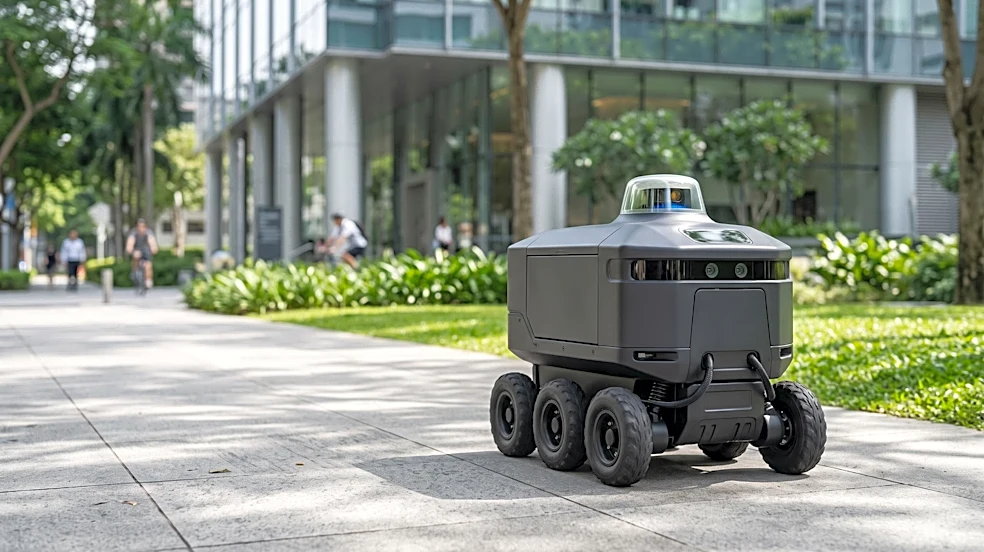
Two delivery robot companies, Coco Robotics and Serve Robotics, are facing separate class-action lawsuits in Cook County, Illinois. The lawsuits, filed by customers Mitchell Breidinger and Barry Schain, allege that the companies' robots scanned their
faces and hands without their knowledge or consent, thereby violating the Illinois Biometric Privacy Act. This Act mandates that companies collecting biometric data must provide written notice, obtain written consent, and maintain a policy for data retention and destruction. The plaintiffs claim that the robots' cameras and LiDAR technology captured their biometric measurements, which were then stored alongside their personal information. Both Coco and Serve have denied these allegations, stating that they do not collect biometric information from customers or passersby and prioritize compliance with privacy laws. They assert that their robots use cameras and sensors for safe navigation and that any data shared is navigational, not biometric. The lawsuits seek statutory damages ranging from $1,000 to $5,000 per violation.
Why It's Important?
These lawsuits highlight the increasing legal and ethical challenges surrounding the deployment of autonomous delivery robots and the collection of biometric data in public spaces. The Illinois Biometric Privacy Act is one of the strictest laws of its kind in the U.S., and these cases could set precedents for how such technology is regulated nationwide. If the courts rule in favor of the plaintiffs, it could lead to significant financial penalties for the companies involved and force a re-evaluation of data collection practices by other technology firms operating in Illinois and potentially other states considering similar legislation. The outcome will also influence public perception and trust in autonomous delivery services, which are already under scrutiny for issues like safety, accessibility, and job displacement. This legal challenge underscores the tension between technological innovation and individual privacy rights, particularly as AI-powered systems become more integrated into daily life.
What's Next?
The lawsuits against Coco Robotics and Serve Robotics will proceed through the Cook County court system, where both companies are expected to formally defend against the allegations. The legal process will likely involve discovery, where evidence regarding the robots' data collection capabilities and practices will be examined. The outcome could lead to a court ruling on whether the companies' technologies indeed collect biometric data as defined by the Illinois Biometric Privacy Act. Beyond the immediate legal proceedings, these cases may prompt further legislative action or regulatory guidance regarding biometric data collection by autonomous vehicles and robots. The city of Chicago's delivery robot pilot program, which is set to expire in May 2027, may also face increased scrutiny and potential revisions based on the developments in these lawsuits and ongoing public concerns about surveillance and safety.
Beyond the Headlines
The legal battles against Coco and Serve Robotics delve into the broader implications of pervasive surveillance and data privacy in an increasingly automated world. The core issue extends beyond just delivery robots to any technology that can passively collect identifiable personal data, such as facial geometry or gait. This raises fundamental questions about consent in public spaces, especially when individuals may not be aware that their biometric information is being captured and processed. The lawsuits also touch upon the use of collected data for training artificial intelligence systems, highlighting concerns about how this data is anonymized, secured, and potentially shared with third parties. The outcome could influence the development of future AI technologies, pushing for more privacy-by-design principles and greater transparency from companies about their data handling practices. This legal challenge could serve as a bellwether for how society balances technological advancement with the protection of individual privacy in the digital age.