




What's Happening?
Chile is actively working to expand its supply of internationally transferable carbon credits by operationalizing existing bilateral agreements and seeking new international carbon trading partners. The country aims to approve carbon standards and methodologies
for its Article 6 agreement with Singapore before COP31, which is the 31st Conference of the Parties to the UNFCCC. Additionally, Chile has advanced project development with Japan and Switzerland. Cristina Figueroa, carbon pricing and markets coordinator at Chile’s Ministry of Environment (MMA), stated that Chile is open to establishing partnerships with additional buyer countries like Norway or Sweden. The government expects to issue a resolution recognizing certain carbon standards by the end of October under the Article 6.2 agreement with Singapore. This initiative builds on the recent approval of rules and guidelines under the Article 6-aligned Joint Crediting Mechanism (JCM) with Japan, which facilitates the authorization of projects and the transfer of Internationally Transferred Mitigation Outcomes (ITMOs) to Japan. Chile has also approved the transition of 30 carbon projects developed under the Kyoto Protocol to the Paris Agreement Crediting Mechanism (PACM) and is progressing its pipeline of projects under its Article 6.2 agreement with Switzerland.
Why It's Important?
This expansion of Chile's carbon credit market is significant for several reasons. Firstly, it positions Chile as a key supplier of carbon credits, contributing to global efforts to mitigate climate change and meet the targets of the Paris Agreement. The economic potential is substantial, with MMA estimates suggesting Chile could attract around $6 billion in Article 6-linked investment in the coming years. This influx of investment can stimulate economic growth and support the development of green technologies and sustainable practices within Chile, such as battery energy storage systems, boiler replacements, electric mobility, and waste management activities. For buyer countries, these agreements provide access to verified carbon credits, helping them meet their own climate commitments and carbon neutrality goals. The recognition of various carbon standards, including those from the voluntary carbon market (VCM) like Verra and Gold Standard, could streamline the project authorization process and increase the efficiency of carbon credit generation and transfer. This approach also highlights a growing trend of bilateral cooperation in climate action, offering a more direct and potentially faster route to emissions reductions compared to multilateral mechanisms.
What's Next?
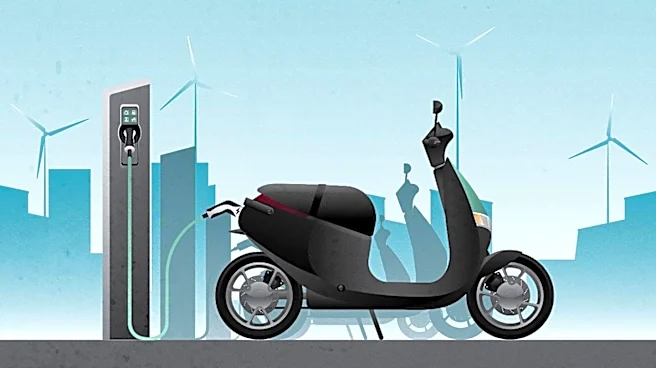
Chile anticipates issuing a resolution by the end of October to recognize specific carbon standards under its Article 6.2 agreement with Singapore, aiming to have these standards and project types approved before COP31. This will open opportunities for nature-based projects, particularly in agriculture and forestry, with methodologies like Verra’s VM0042 for agricultural land management and VM0047 for afforestation, reforestation, and revegetation being considered. The approval of JCM rules with Japan is expected to accelerate the authorization of 17 projects already in the pipeline, supported by Japanese government financing. A new initiative involving private Japanese carbon credit buyers and cooperation between the Chilean municipalities of Huechuraba and Maipu and the Japanese city of Toyama will launch this year, focusing on electrifying freight transport. Developers aim to generate credits for sale to Japanese companies through the privately financed JCM framework, with project activities expected to commence next year and ITMOs potentially being exported within two years. Chile will also continue to seek new international carbon trading partners, such as Norway and Sweden, to further expand its Article 6 activities.
Beyond the Headlines
The proactive stance by Chile in developing its carbon credit market through bilateral agreements underscores a broader shift in global climate finance and cooperation. By leveraging Article 6 of the Paris Agreement, Chile is not only contributing to its Nationally Determined Contribution (NDC) but also creating a robust framework for international investment in climate mitigation. This model of bilateral agreements, which allows for the direct transfer of mitigation outcomes, could become a significant pathway for countries to achieve their climate goals, especially as the global demand for verifiable carbon reductions grows. The involvement of VCM standards in these governmental agreements signifies a potential convergence of voluntary and compliance carbon markets, enhancing the credibility and liquidity of carbon credits. However, ensuring the integrity and environmental additionality of these credits will be crucial to maintain trust in the system. The focus on specific project types like renewable energy, electric mobility, and nature-based solutions also reflects a strategic alignment with global sustainable development goals, potentially fostering technological transfer and capacity building in developing nations.