







What's Happening?
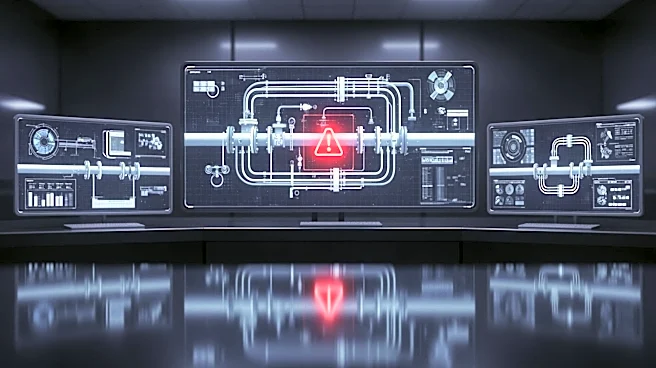
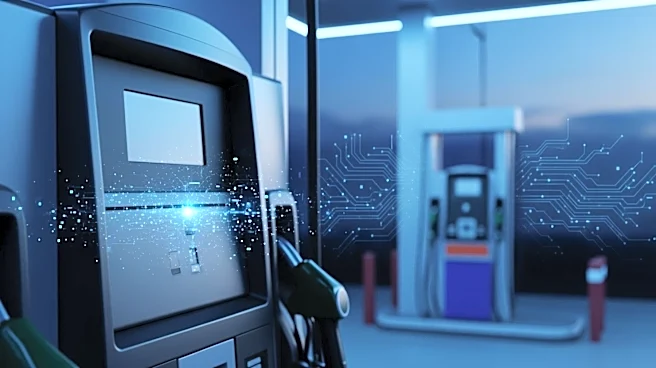
US officials suspect that Iranian hackers are behind a series of cyber intrusions targeting automatic tank gauge (ATG) systems at gas stations across multiple states. These systems, which monitor fuel levels in storage tanks, were found to be online and
unprotected by passwords, allowing hackers to manipulate display readings. Although no physical damage has been reported, the breaches raise safety concerns as they could potentially allow undetected gas leaks. The suspected involvement of Iranian hackers is part of a broader pattern of cyber activities linked to Iran, which has been targeting US infrastructure amid ongoing geopolitical tensions.
Why It's Important?
The breach of ATG systems at US gas stations underscores the vulnerabilities in critical infrastructure and the potential risks posed by cyberattacks. Such intrusions could lead to significant safety hazards, economic disruptions, and environmental damage if not addressed. The incident highlights the need for enhanced cybersecurity measures to protect critical infrastructure from foreign adversaries. It also reflects the growing sophistication of Iranian cyber capabilities, which have evolved to target key US assets as part of a broader strategy to exert geopolitical influence.
What's Next?
In response to these breaches, US cybersecurity agencies are likely to increase efforts to secure ATG systems and other critical infrastructure components. This may involve implementing stricter security protocols, such as password protection and network segmentation, to prevent unauthorized access. Additionally, the US government may engage in diplomatic efforts to address the cyber threat posed by Iran and seek to strengthen international cooperation in cybersecurity. The situation also calls for increased awareness and preparedness among infrastructure operators to mitigate the risks of future cyberattacks.