
What's Happening?
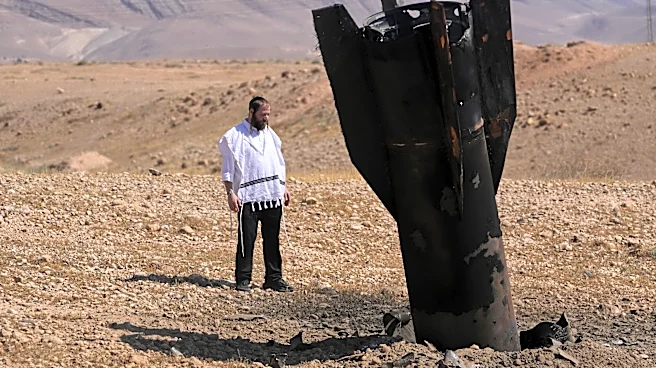
Tensions between Israel and Iran have escalated, threatening to undermine President Trump's diplomatic efforts in the region. Despite Trump's calls for restraint, Israel launched strikes on Iran following
a missile attack from Tehran. This exchange marks the most serious direct conflict since a ceasefire in April. Trump's attempts to mediate and prevent further escalation have been complicated by Israeli Prime Minister Netanyahu's actions, which defied Trump's appeals. The situation highlights the complexities of U.S. alliances and the challenges of maintaining influence over allied nations' military decisions.
Why It's Important?
The renewed hostilities between Israel and Iran pose significant risks to regional stability and U.S. foreign policy objectives. President Trump's efforts to broker peace and secure a deal with Iran are jeopardized by the ongoing conflict, which could lead to broader military engagements. The situation underscores the difficulties of managing alliances where U.S. interests and those of its allies may not always align. The outcome of these tensions could have far-reaching implications for U.S. diplomatic credibility and its ability to influence peace processes in the Middle East.
What's Next?
The immediate future may see continued military exchanges between Israel and Iran, with potential for further escalation. President Trump may need to reassess his diplomatic strategy and consider new approaches to de-escalate tensions. The U.S. could face increased pressure to mediate and prevent a full-scale conflict, while balancing its support for Israel with broader regional peace efforts. The international community will likely watch closely for any shifts in U.S. policy or new diplomatic initiatives aimed at stabilizing the situation.