




What's Happening?
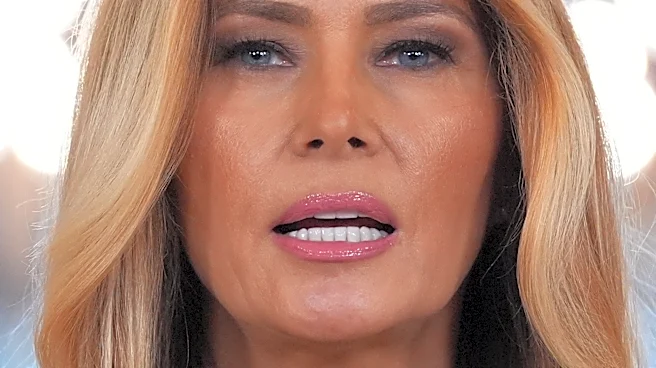
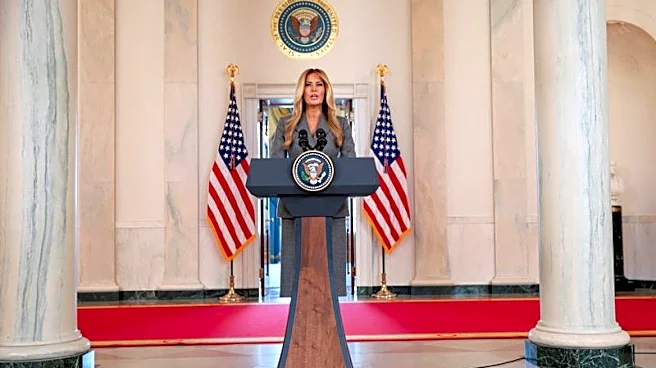
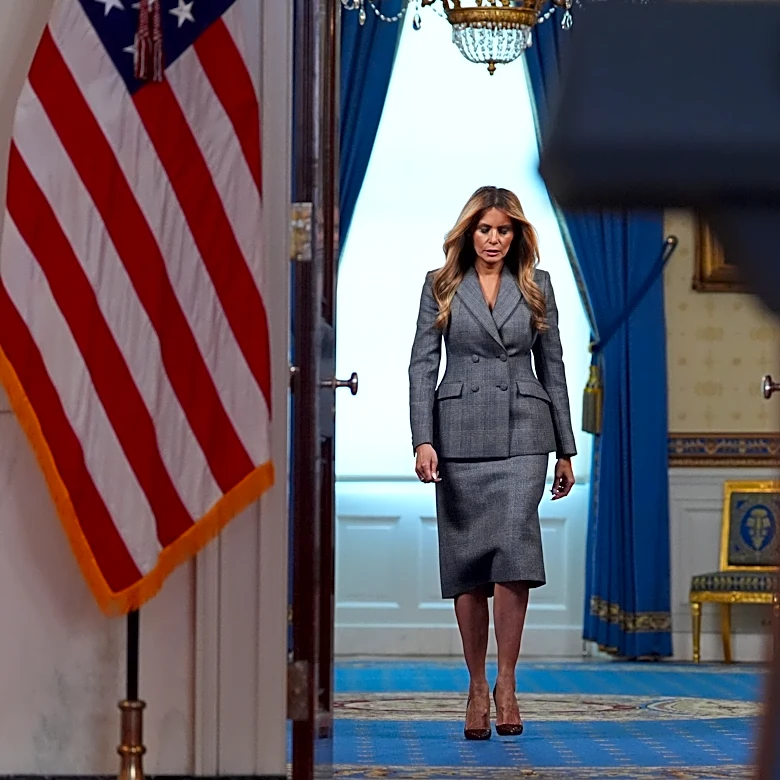
First Lady Melania Trump has publicly denied any personal relationship with Jeffrey Epstein and his associate Ghislaine Maxwell. In a statement made on Thursday, she clarified that any email exchanges with them were purely casual and emphasized that she was
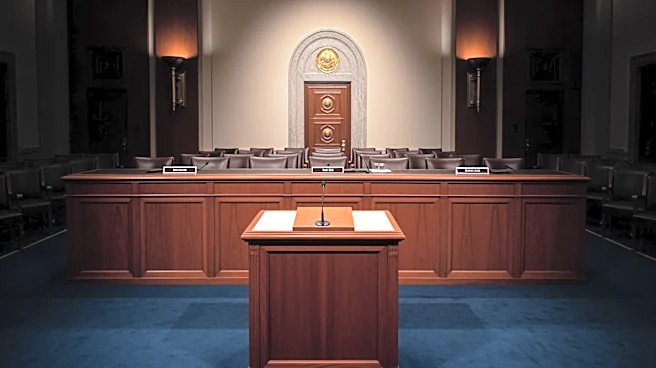
not a victim of Epstein. Furthermore, Melania Trump stated that she did not introduce herself or President Trump to Epstein. In light of recent allegations, she has urged Congress to organize a public hearing where survivors of Epstein's abuse can testify under oath. This statement comes amid ongoing scrutiny and legal proceedings related to Epstein's criminal activities and the involvement of various high-profile individuals.
Why It's Important?
The denial by Melania Trump is significant as it addresses ongoing public and media speculation about the extent of the Trump family's connections to Jeffrey Epstein, a convicted sex offender. Her call for a congressional hearing highlights the importance of giving a platform to Epstein's survivors, potentially influencing public policy and legal proceedings related to sexual abuse cases. This development could impact the public perception of the Trump family and their involvement in the Epstein scandal, as well as shape future legislative actions aimed at supporting victims of similar crimes. The call for a hearing also underscores the broader societal demand for accountability and transparency in high-profile abuse cases.
What's Next?
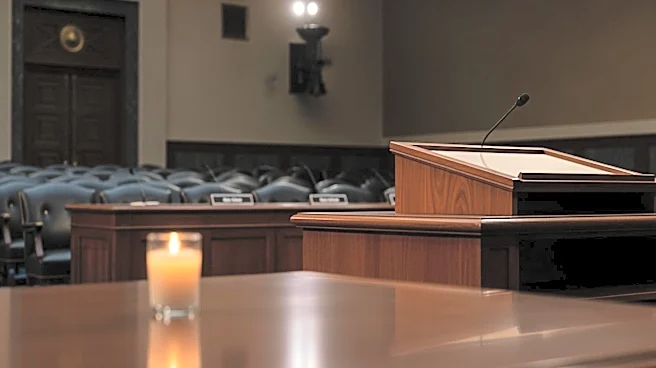
If Congress heeds Melania Trump's call, a public hearing could be scheduled, providing survivors of Epstein's abuse an opportunity to share their experiences under oath. Such a hearing could lead to further investigations and possibly new revelations about Epstein's network and the individuals involved. It may also prompt legislative changes aimed at improving protections for victims of sexual abuse and trafficking. The response from political leaders and the public will be crucial in determining the next steps, as this issue continues to garner significant attention and could influence future policy decisions.