





What's Happening?
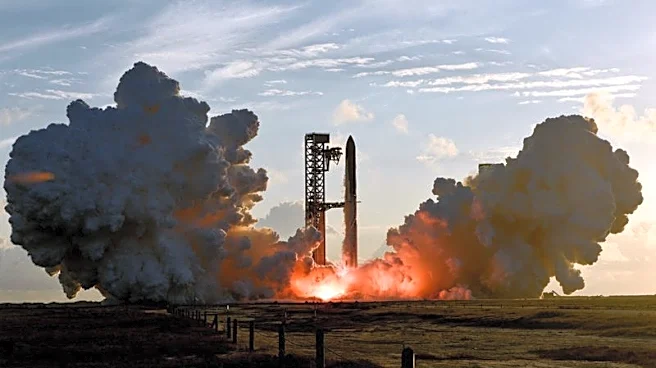
NASA has opened applications for a new class of astronauts, aiming to expand its active astronaut corps to support the ambitious Artemis program. This initiative seeks individuals who are prepared to fly to the Moon and contribute to the establishment
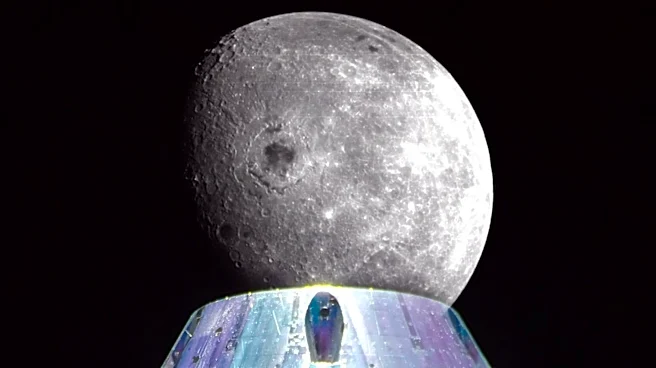
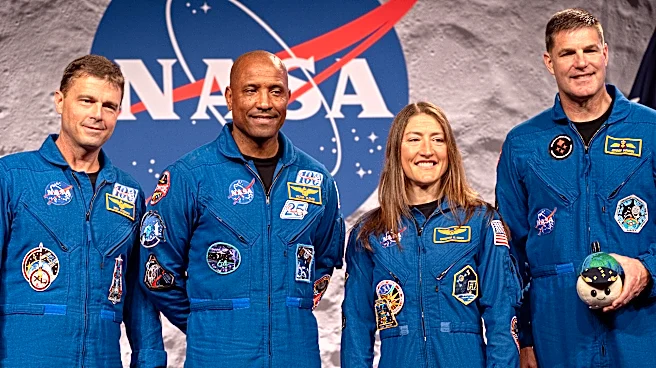
of a permanent lunar base. The announcement was made during a Kennedy Space Center air show, emphasizing the agency's commitment to accelerating humanity's presence beyond low-Earth orbit. With only 32 active astronauts, NASA requires more recruits to meet the demands of its lunar campaign, which was recently kicked off by the Artemis II crew's lunar flyaround. The application window is open until December 3, with final selections expected by late 2027 and training commencing in early 2028.
Why It's Important?
This recruitment drive is crucial for the U.S. space program, as it directly addresses the human capital needs for the Artemis missions, which aim to return astronauts to the Moon by 2028. The expansion of the astronaut corps is vital for the long-term success of establishing a permanent lunar base, which will require diverse skills and sustained human presence. The call for new astronauts underscores the significant commitment and investment NASA is making in lunar exploration, potentially stimulating interest in STEM fields and inspiring future generations. The success of the Artemis program could solidify U.S. leadership in space, drive technological innovation, and open new avenues for scientific research and commercial opportunities in space.
What's Next?
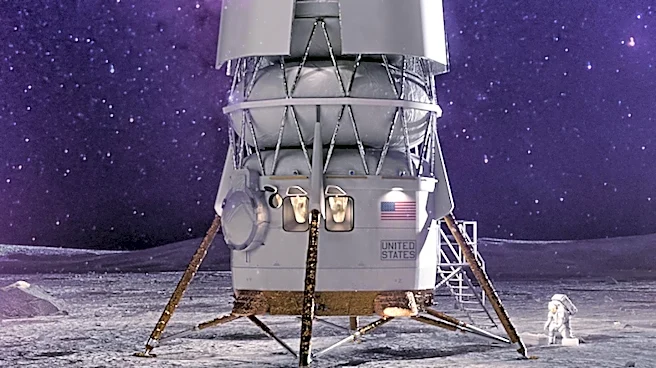
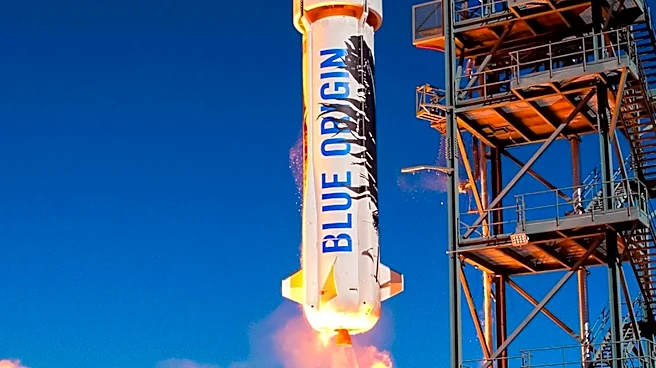
Aspiring astronauts have until December 3 to submit their applications. NASA anticipates making its final selection by late 2027, with the chosen candidates beginning their rigorous two-year training program in early 2028. This timeline aligns with NASA's goal of returning astronauts to the lunar surface by 2028, marking over half a century since the last human lunar landing. The new recruits will play a pivotal role in the Artemis IV mission, which aims to land two astronauts near the lunar south pole. Additionally, the Artemis III crew is scheduled to practice docking with lunar landers from SpaceX and Blue Origin next summer, serving as a dress rehearsal for future lunar missions.
Beyond the Headlines
The call for new astronauts extends beyond merely filling positions; it represents a strategic investment in the future of human spaceflight and the long-term vision of lunar colonization. The rigorous selection and training process for these individuals will not only prepare them for the physical and mental challenges of space but also for the complex tasks of building and maintaining a lunar outpost. This endeavor raises profound questions about human adaptability to extraterrestrial environments, the psychological impacts of long-duration space missions, and the development of self-sustaining habitats. The new astronaut class will be at the forefront of these challenges, contributing to a legacy that could redefine humanity's relationship with space and potentially lead to multi-planetary existence.