







What's Happening?
The Universities of Wisconsin have officially opened registration for the 2027 Wisconsin Civics Games, a statewide academic competition designed to enhance high school students' understanding of civics, government, and democratic participation. Now in its
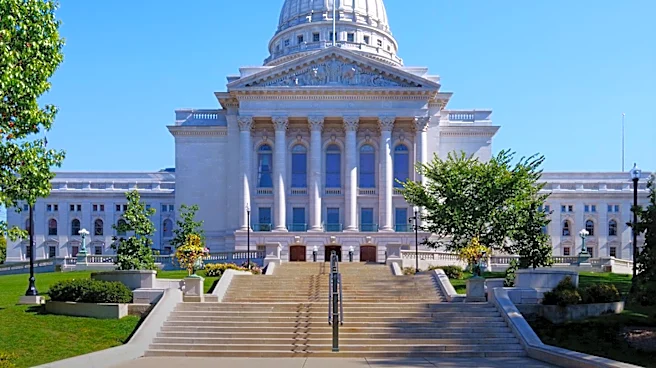
seventh year, the competition was initially founded by the Wisconsin NewsMedia Association and is currently operated by the Universities of Wisconsin through its Office of Civic Engagement. This year marks a new chapter for the games, featuring refreshed branding and a new logo. For the first time since the Universities of Wisconsin took over leadership, regional playoff competitions will be held on university campuses, offering students a glimpse into campus life. These regional events will take place at the University of Wisconsin–River Falls, University of Wisconsin–Milwaukee, University of Wisconsin–Oshkosh, and University of Wisconsin–Platteville. The state final is scheduled for April 30 at the State Capitol. Students will engage in team-based challenges covering civics knowledge, government, public policy, current events, and democratic participation. The 2026 preliminary competition saw nearly 200 students from 49 teams representing 29 schools participate, with winning team members receiving a $2,000 scholarship to a Universities of Wisconsin institution of their choice.
Why It's Important?
This initiative is crucial for fostering informed and engaged citizens in Wisconsin, directly aligning with the Universities of Wisconsin's mission to educate and serve society. By challenging high school students in civics, government, and democratic participation, the program aims to develop critical thinking and teamwork skills essential for future civic leadership. The return of regional playoffs to university campuses provides a unique opportunity for high school students to experience higher education environments firsthand, potentially influencing their decisions regarding college enrollment within the state. The scholarships offered to winning team members also serve as a significant incentive, promoting academic excellence and civic involvement while supporting in-state university attendance. This investment in civic education is vital for strengthening democratic processes and ensuring a well-informed populace capable of contributing meaningfully to public discourse and policy in Wisconsin.
What's Next?
Registration for the 2027 Wisconsin Civics Games will remain open until March 5. Following the registration period, high school teams across the state will prepare for the regional playoff competitions scheduled for April 5, 9, 12, and 13 at various Universities of Wisconsin campuses. These regional events will culminate in the state final on April 30 at the State Capitol. The Universities of Wisconsin will continue to promote the games and civic engagement initiatives, potentially expanding the program's reach and impact in future years. The success of this year's competition, particularly with the reintroduction of on-campus regional playoffs, will likely inform future strategies for student engagement and recruitment within the university system. The ongoing participation of schools and students will be closely monitored to assess the program's effectiveness in achieving its civic education goals.
Beyond the Headlines
The Wisconsin Civics Games represent a broader effort to counteract declining civic literacy and engagement among younger generations. By integrating civic learning with competitive academic challenges, the program not only imparts knowledge but also cultivates a sense of responsibility and active participation in democratic processes. The emphasis on public policy and current events encourages students to connect theoretical civic concepts with real-world issues, fostering a more nuanced understanding of governance. Furthermore, the program's role in connecting high school students with university campuses underscores the importance of higher education institutions as centers for civic development and community engagement. This initiative could serve as a model for other states seeking to strengthen civic education and prepare students for active roles in their communities and beyond, addressing a critical need for an informed and participatory citizenry.