



What's Happening?
A recent heist at the Louvre on October 19, 2025, saw thieves disguised as construction workers steal $102 million in French crown jewels. This incident has drawn comparisons to the infamous 1911 theft of Leonardo da Vinci's Mona Lisa. The 1911 heist was
executed by Vicenzo Peruggia, an Italian handyman and museum employee, who hid in a supply closet and later removed the Mona Lisa with the help of two associates. The painting was hidden under a blanket and taken out of the museum without immediate detection due to lax security measures. The Mona Lisa, not highly regarded at the time, went unnoticed for 28 hours. The theft eventually led to the painting's global fame as news of the heist spread, drawing crowds to the Louvre to see the empty space. Peruggia was eventually caught and sentenced to eight months in jail, and the Mona Lisa was returned to Paris.
Why It's Important?
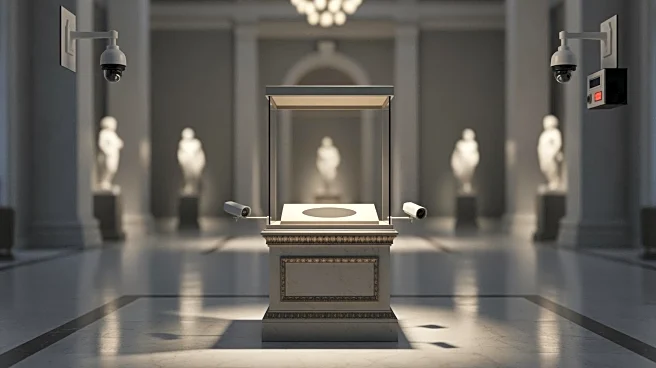
The 2025 heist underscores ongoing security vulnerabilities in major cultural institutions like the Louvre. The parallels with the 1911 Mona Lisa theft highlight how historical incidents can shape the reputation and value of art pieces. The Mona Lisa's theft transformed it from a relatively obscure work to one of the most famous paintings in the world, illustrating how notoriety can enhance cultural significance. The recent theft raises questions about the adequacy of current security measures and the potential for similar incidents to impact the art world. It also reflects broader concerns about the protection of cultural heritage and the challenges faced by museums in safeguarding valuable artifacts.
What's Next?
In response to the heist, the Louvre and other museums may need to reassess and strengthen their security protocols to prevent future incidents. This could involve increased surveillance, more stringent access controls, and enhanced training for staff. The incident may also prompt discussions among cultural institutions globally about best practices for protecting valuable collections. Additionally, there may be increased scrutiny on the art market and collectors to ensure that stolen artifacts are not easily sold or traded. The heist could lead to policy changes and collaborations between museums, law enforcement, and international organizations to improve the security of cultural heritage sites.