





What's Happening?
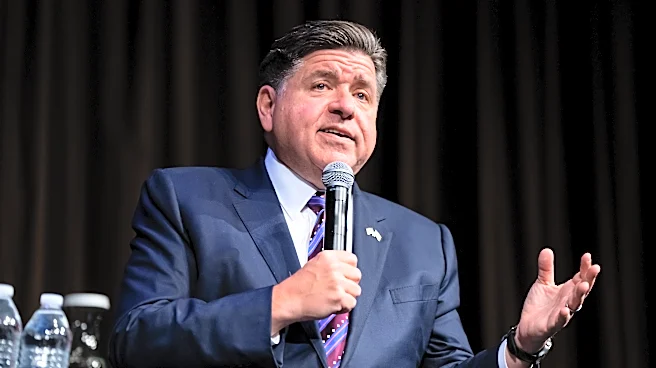
U.S. Representative Jan Schakowsky's office has announced substantial federal funding for infrastructure projects within Illinois' 9th Congressional District. These projects, part of the fiscal year 2026 allocations, aim to address critical infrastructure needs
in several communities. Specifically, the village of Niles is set to receive $2.5 million for the complete replacement of the Howard Street Bridge. This bridge has been identified as being in 'poor condition' with 'advanced deterioration,' making its replacement crucial for public safety, economic stimulation, and environmental improvements. Additionally, the village of Buffalo Grove will receive $8.7 million for the Mill Creek Subdivision Utility Resiliency Project. This funding is designated for essential stormwater upgrades, water main replacement, and addressing wastewater inflow and infiltration issues. The village of Morton Grove is also slated to receive $5 million to facilitate the replacement of lead service lines. These investments are intended to enhance local infrastructure, improve public services, and mitigate environmental concerns across the district.
Why It's Important?
These federal infrastructure investments are critical for the communities within Illinois' 9th Congressional District, addressing long-standing issues that impact daily life and economic vitality. The replacement of the Howard Street Bridge in Niles is not merely a structural repair; it is expected to return Howard Street to its intended use, thereby stimulating local businesses and improving traffic flow. Furthermore, the incorporation of pedestrian and bicycle improvements will enhance community connectivity and promote alternative transportation. The hydraulic and environmental improvements associated with the bridge project are vital for reducing flooding impacts, a persistent concern in many areas. In Buffalo Grove, the Mill Creek Subdivision Utility Resiliency Project's focus on stormwater upgrades and water main replacement will directly improve public health and safety by ensuring reliable access to clean water and reducing the risk of waterborne diseases. The funding for lead service line replacement in Morton Grove is particularly significant, as it directly addresses a major public health concern by eliminating a source of lead contamination in drinking water, safeguarding residents, especially children, from its harmful effects. These projects collectively represent a substantial commitment to modernizing essential services and improving the quality of life for residents.
What's Next?
The announced funding for these infrastructure projects will move into the implementation phase, with local municipalities beginning the detailed planning and execution of the respective initiatives. For the Howard Street Bridge in Niles, the $2.5 million allocation will enable the village to proceed with the complete replacement, which is expected to spur economic activity and improve transportation infrastructure. The Mill Creek Subdivision Utility Resiliency Project in Buffalo Grove, backed by $8.7 million, will see the commencement of stormwater upgrades and water main replacements, with a focus on enhancing the resilience of the utility system. Morton Grove will utilize its $5 million to accelerate the replacement of lead service lines, a process that will involve coordination with residents and utility providers. These projects are anticipated to unfold over the coming fiscal year, with ongoing oversight from Representative Schakowsky's office to ensure efficient and effective use of federal funds. The successful completion of these projects will serve as a model for future infrastructure investments in the region.
Beyond the Headlines
Beyond the immediate benefits of improved infrastructure, these federal investments highlight a broader commitment to addressing systemic issues in aging urban and suburban areas. The focus on replacing the Howard Street Bridge underscores the critical need for proactive maintenance and modernization of transportation networks to prevent failures and ensure long-term economic stability. The Buffalo Grove project, targeting utility resiliency, reflects a growing awareness of climate change impacts and the necessity of robust infrastructure to withstand increasingly severe weather events. The funding for lead service line replacement in Morton Grove is a testament to the ongoing national effort to rectify historical environmental injustices and protect public health, particularly in communities with older housing stock. These projects collectively contribute to a more sustainable and equitable future, demonstrating how targeted federal funding can catalyze significant local improvements and foster community well-being. They also set a precedent for future federal-local partnerships in tackling complex infrastructure challenges.