





What's Happening?
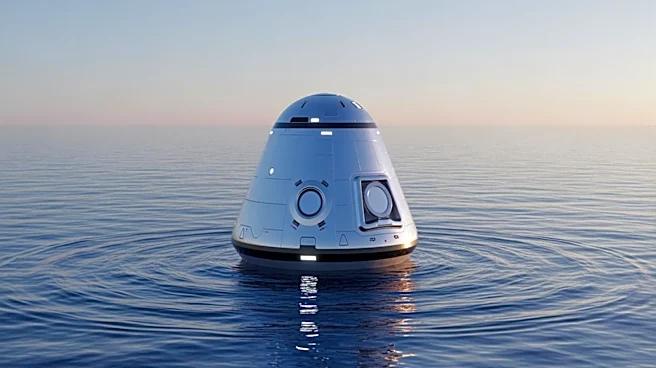
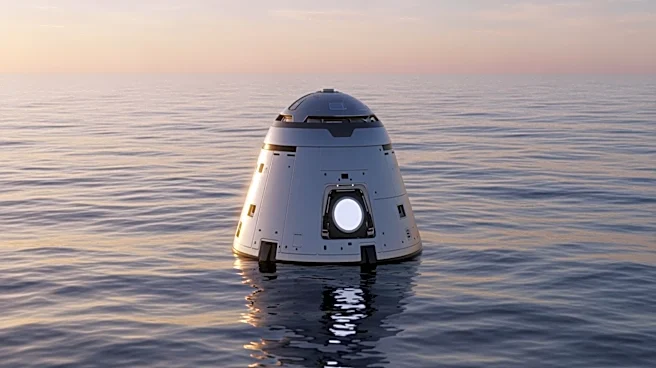
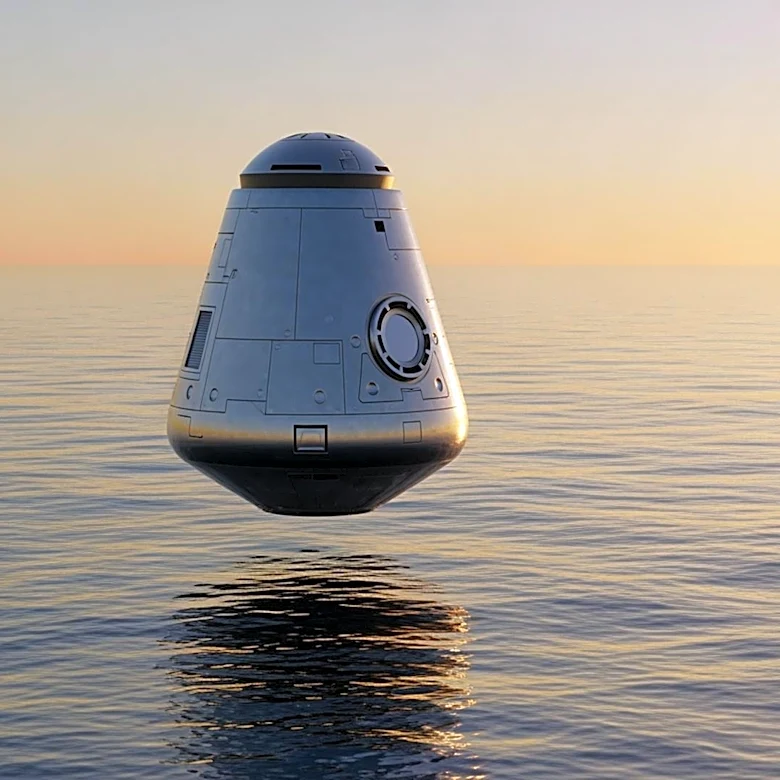
NASA's Artemis II mission has successfully concluded with the safe return of four astronauts who traveled around the Moon. The crew, consisting of Commander Reid Wiseman, Pilot Victor Glover, and Mission Specialists Christina Koch and Jeremy Hansen, completed
a 10-day journey that marked the first human travel to the Moon in over 50 years. The mission involved a lunar flyby and a splashdown in the Pacific Ocean, demonstrating the capabilities of the Orion spacecraft and the Space Launch System (SLS). The mission sets the stage for future lunar landings and aims to establish a permanent human presence on the Moon.
Why It's Important?
The successful completion of Artemis II is a significant milestone in NASA's efforts to return humans to the Moon and eventually establish a lunar base. This mission not only tested the Orion spacecraft's systems but also paved the way for future missions that will involve landing on the Moon's surface. The data collected during the mission will be crucial for planning subsequent missions, including Artemis III, which will test docking capabilities with commercial lunar landers. The mission also highlights international collaboration in space exploration, with contributions from the Canadian Space Agency.
What's Next?
Following the success of Artemis II, NASA is now focusing on the Artemis III mission, which is scheduled to launch next year. Artemis III will test spacecraft docking capabilities and aim to land astronauts on the Moon using commercial landers developed by SpaceX or Blue Origin. The mission will further validate the systems and operations required for sustained lunar exploration. NASA plans to disclose more details about Artemis III closer to its launch date, as preparations continue to build a lunar base and explore more of the Moon's surface.