





What's Happening?
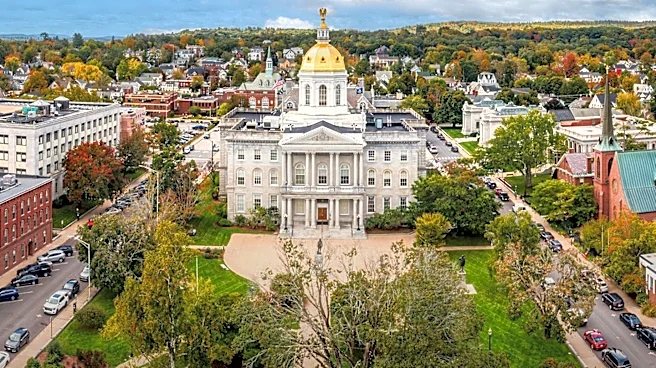
Property owners in New Hampshire are facing financial strain as they shoulder the majority of public school funding costs. A report from the New Hampshire Fiscal Policy Institute reveals that property taxes fund over 70% of the state's public school expenses.
The state's contribution to school funding has decreased, making New Hampshire rank last nationally in state-provided education revenue. This has led to high property tax bills, causing concern among residents about their financial future and the potential impact on school budgets.
Why It's Important?
The heavy reliance on property taxes for school funding in New Hampshire highlights a significant issue in the state's education financing system. This approach places a substantial burden on property owners, affecting their financial stability and potentially limiting their ability to retire. The situation also raises concerns about the adequacy of school funding and the ability to maintain educational standards. The upcoming vote on a property tax cap could further influence the funding landscape and impact local communities.
What's Next?
New Hampshire residents will vote in November on a measure to limit school and administrative spending, which could lead to a property tax cap. This decision will have implications for school funding and property tax rates. Policymakers and community leaders may need to explore alternative funding models to ensure equitable and sustainable education financing. The outcome of the vote could prompt further discussions on the state's role in supporting public education.