





What's Happening?
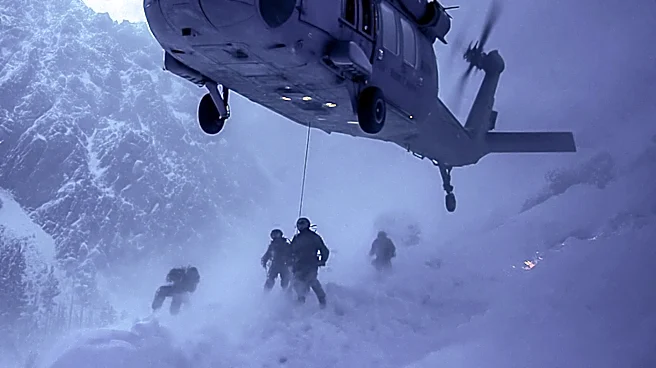
A Marine Corps CH-53K King Stallion heavy-lift helicopter successfully recovered an undamaged Navy MH-60S Seahawk from a 10,000-foot slope in the Sierra Nevada mountains in late September. The Seahawk, belonging to Air Test and Evaluation Squadron (VX)
31, had made a hard landing and was unable to take off due to the steep terrain. The King Stallion, from Marine Operational Test and Evaluation Squadron (VMX) 1, airlifted the approximately 16,000-pound helicopter using a 70-foot external line to Naval Air Weapons Station China Lake, California. This recovery also served as a certification for the CH-53K to use the longer line, which exceeds the standard military sling length for underslung loads. Engineers rigged the lift to keep the Seahawk intact, removing only the main and tail rotor blades to protect them during flight. This operation pushed the King Stallion to the edge of its power and fuel capabilities due to the weight, elevation, distance, and weather conditions.
Why It's Important?
This successful recovery operation highlights the critical capabilities of the CH-53K King Stallion, the largest helicopter in the U.S. military, in complex aircraft salvage missions. The ability to recover an undamaged aircraft from challenging terrain without further damage is crucial for maintaining military assets and reducing repair costs. The certification of the CH-53K to use a 70-foot long-line expands its operational flexibility and utility in various recovery scenarios. This event also demonstrates the Marine Corps' ongoing efforts to prove the CH-53K's effectiveness in aircraft-salvage roles, building on previous tests, including one in April where a King Stallion lifted another CH-53K. The Navy's award of a contract worth up to $10.85 billion to Sikorsky for as many as 99 of these helicopters underscores the strategic importance of the CH-53K in replacing the aging CH-53E Super Stallion fleet.
What's Next?
The Marine Corps plans the CH-53K's first operational deployment in fiscal year 2027 with the 26th Marine Expeditionary Unit, following several delays. The fleet has already accumulated over 10,000 flight hours. This upcoming deployment will further solidify the King Stallion's role in military operations and its capabilities in various missions, including heavy-lift and aircraft recovery. The ongoing development and standardization of recovery procedures for the CH-53K, as indicated by the Navy's statement that such procedures are not yet standardized in its salvage manuals, suggest continued testing and refinement of its operational toolkit. Future missions will likely continue to test the helicopter's limits and expand its documented capabilities, ensuring its readiness for diverse military requirements.
Beyond the Headlines
The successful recovery of the Seahawk by the CH-53K King Stallion underscores a broader trend in military logistics and asset management: the increasing emphasis on rapid and efficient recovery of high-value equipment. This capability not only saves significant financial resources by preventing further damage to aircraft but also minimizes the environmental impact of leaving downed equipment in remote or sensitive areas. The use of a commercial line, tested and cleared for flight in a short timeframe, highlights an agile approach to procurement and certification, potentially setting a precedent for future military acquisitions. Furthermore, the challenges posed by the weight, elevation, distance, and weather during this mission demonstrate the extreme conditions under which modern military hardware is expected to operate, pushing the boundaries of engineering and pilot skill. This event contributes to the evolving doctrine of military aviation, where specialized heavy-lift platforms are becoming indispensable for maintaining operational readiness and strategic flexibility.