






What's Happening?
A study by scientists in China and Europe has revealed that certain flood control measures on the Yangtze River may have intensified flood risks rather than mitigating them. The research, published in the Proceedings of the National Academy of Sciences,
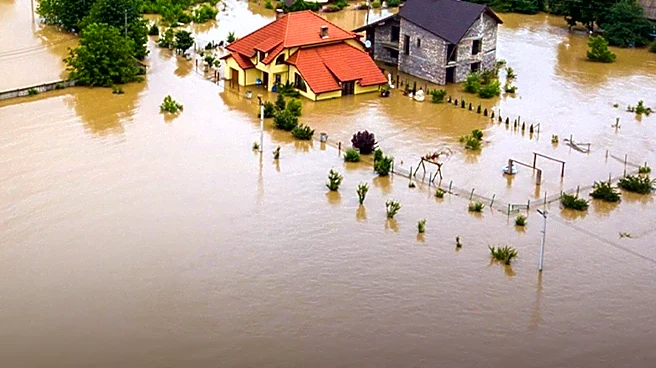
analyzed 500 years of flood data and found that human interventions, such as embankments and lake reclamation, have amplified the magnitude of climate-driven floods. These measures, intended to control flooding, have increased the severity of 100-year floods by 18% and 8%, respectively.
Why It's Important?
The findings of this study have significant implications for flood management strategies globally. The revelation that human-engineered flood controls can exacerbate flood risks challenges traditional approaches to flood mitigation. This could prompt a reevaluation of current flood management practices and encourage the development of more sustainable and effective solutions. The study underscores the complex interplay between human interventions and natural systems, highlighting the need for a more integrated approach to managing flood risks.
Beyond the Headlines
The study raises important questions about the long-term sustainability of current flood control measures and their impact on natural ecosystems. It suggests a need for a paradigm shift in how societies approach flood management, potentially leading to increased investment in natural flood defenses and more holistic planning. The findings could influence policy decisions and encourage international collaboration in developing innovative flood management strategies.