





What's Happening?
The Inter-American Development Bank (IDB) and the International Atomic Energy Agency (IAEA) have signed a memorandum of understanding (MoU) to enhance cooperation on nuclear energy and development in Latin America and the Caribbean. This agreement aims
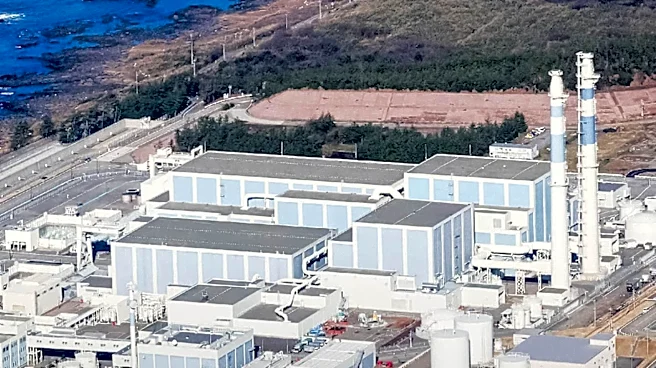
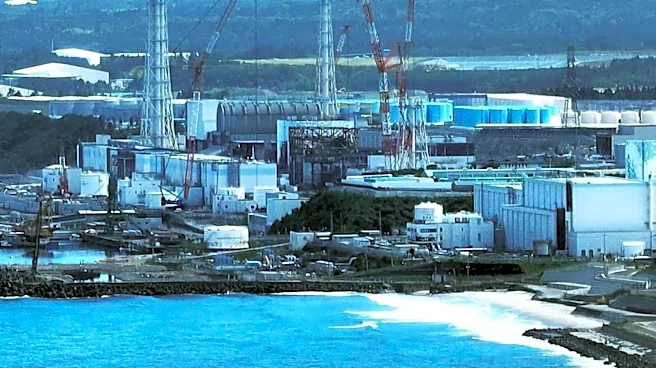
to explore technical, institutional, and economic aspects of nuclear technologies, including large-scale reactors, small modular reactors (SMRs), and other emerging technologies. The MoU provides a framework for dialogue, knowledge sharing, technical assistance, capacity building, energy-system planning, and infrastructure development. This collaboration reflects a growing recognition among international institutions, including the World Bank and Asian Development Bank, that nuclear energy can play a significant role in sustainable development, energy security, and economic growth. Currently, nuclear power accounts for 1.8% of electricity generation in the region, with only Brazil, Argentina, and Mexico utilizing it. IAEA projections suggest a potential 2.5-fold increase in nuclear energy in the region by 2060.
Why It's Important?
This partnership is crucial for Latin American and Caribbean countries as they assess future energy options and strive for sustainable development and energy security. The IDB's development experience and regional reach, combined with the IAEA's technical expertise, will provide governments with a new channel for technical planning and advice. This is particularly important given the long planning horizons and stable regulatory environments required for nuclear projects. The agreement can help countries evaluate the feasibility of nuclear power alongside other energy sources, supporting them in making informed decisions about their energy mix. The potential increase in nuclear energy capacity, especially with the projected role of SMRs, could diversify energy sources, reduce reliance on fossil fuels, and contribute to climate change mitigation efforts in a region increasingly vulnerable to weather-related shocks. Furthermore, the engagement of multilateral finance institutions like the IDB with nuclear energy signals a broader shift in development planning, potentially opening doors for future financing of nuclear projects.
What's Next?
The immediate next steps involve the IDB and IAEA exploring the technical, institutional, and economic aspects of nuclear technologies within the framework of the MoU. While the agreement does not announce project financing or specific plant commitments, it creates a pathway for governments to seek technical and planning support. Future developments to watch for include the creation of a work plan, technical missions, or national energy studies that identify participating governments, deliverables, and funding. Any specific IDB financing operation for nuclear projects would represent a significant progression beyond this initial cooperation pact. The success of this initiative will be measured by whether it leads to concrete public studies and national decisions regarding nuclear power, rather than remaining solely at the institutional dialogue level. The broader trend of multilateral finance institutions engaging with nuclear energy suggests that more discussions and potential collaborations are likely to emerge in the coming years.
Beyond the Headlines
The collaboration between the IDB and IAEA extends beyond energy, broadening existing cooperation on access to health services, including cancer care and control, as well as agricultural productivity, sustainable and climate-resilient agricultural practices, and soil, nutrient, and water management. This holistic approach underscores the interconnectedness of energy, health, and environmental sustainability in development. The shift in attitude among international financial institutions towards nuclear energy, previously reluctant to fund such projects, highlights a re-evaluation of nuclear power's role in achieving global development goals and climate targets. This could lead to a significant re-shaping of energy policies and investment strategies across Latin America and the Caribbean, potentially fostering regional technological advancements and economic growth. The emphasis on SMRs also points to a future where nuclear energy solutions might be more adaptable and accessible to a wider range of countries, offering scalable options for diverse energy needs.