

What's Happening?
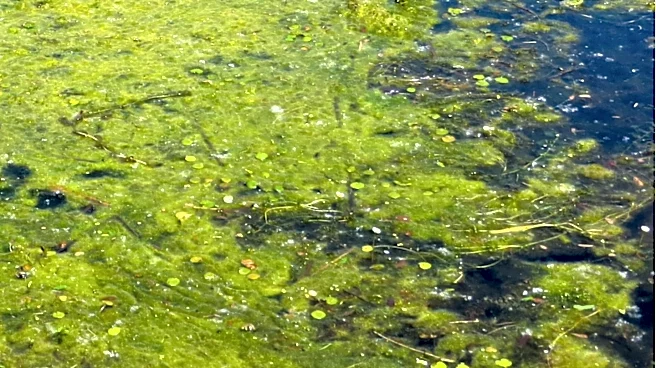
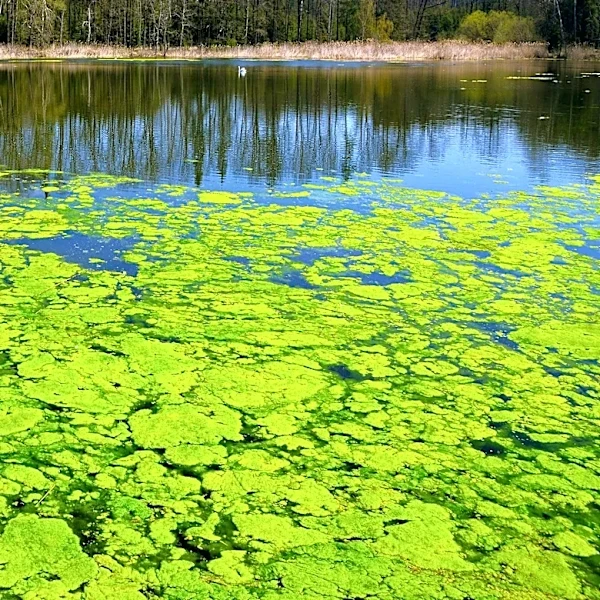
Residents in Greeley, Colorado, are experiencing musty-smelling and metallic-tasting tap water due to an algae bloom affecting the city's water supply. The bloom occurred in Boyd Lake and Lake Loveland, driven by weeks of high temperatures reaching the 90s
and near 100 degrees. Sean Chambers, director of Greeley's Water and Sewer Department, explained that the algae thrive in warm water with ample nutrients and sunlight. The city's water treatment process has struggled to remove the taste and odor caused by the decaying algae. The issue primarily affects customers west of 35th Avenue, who receive water from the affected lakes, while other areas are supplied by the Poudre River. Despite the unpleasant taste, the water remains safe for consumption. The city is using activated carbon to treat the water, but the system has been challenged by the rapid algae decay. Officials expect the situation to improve as better-treated water enters the system, with normal taste and odor anticipated by the end of the week.
Why It's Important?
The algae bloom in Greeley highlights the challenges faced by municipal water systems in maintaining water quality amid environmental changes. The incident underscores the importance of infrastructure improvements, such as the planned Gold Hill Pipeline, which will connect Greeley's two water sources. This pipeline, supported by Congressman Gabe Evans, will allow the city to switch water sources in future algae bloom events, ensuring a consistent supply of unaffected water. The situation also raises awareness about the impact of climate conditions on water resources, emphasizing the need for adaptive strategies in water management. The ability to maintain safe and palatable water is crucial for public health and community trust in local utilities.
What's Next?
Greeley officials anticipate that the taste and odor issues will resolve as better-treated water circulates through the system. The city plans to complete the Gold Hill Pipeline construction this year, which will enhance its ability to manage similar issues in the future. This infrastructure development will provide flexibility in water sourcing, reducing the impact of environmental factors on water quality. Continued monitoring and adaptation to changing climate conditions will be essential for Greeley and other municipalities facing similar challenges.