








What's Happening?
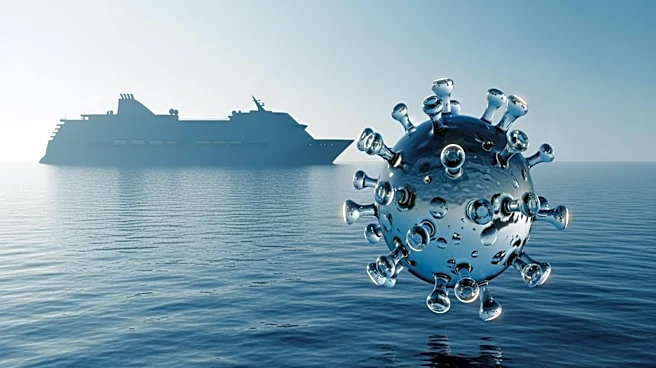
A cruise ship, MV Hondius, has become the epicenter of a hantavirus outbreak, with 11 cases linked to the ship, resulting in three deaths and two individuals in intensive care. The outbreak has raised concerns due to the virus's high fatality rate, particularly
in the Americas, where it can cause severe respiratory issues. The virus, typically spread through rodent droppings, has been identified in a passenger who traveled through South America before boarding the ship. The Centers for Disease Control and Prevention (CDC) is monitoring the situation, with several U.S. citizens, including Californians, potentially exposed. The virus's spread is limited compared to COVID-19, as it requires close contact for transmission.
Why It's Important?
The outbreak highlights the vulnerability of cruise ships to infectious diseases, echoing the early days of the COVID-19 pandemic. The hantavirus's high mortality rate and the potential for human-to-human transmission, albeit limited, pose significant public health concerns. The situation underscores the need for stringent biosecurity measures in expedition tourism, especially in remote areas where exposure to zoonotic diseases is higher. The incident also raises questions about the preparedness of health systems to handle such outbreaks and the importance of international cooperation in disease surveillance and response.
What's Next?
Health officials are closely monitoring those exposed to the virus, with quarantine measures in place for potentially affected individuals. The CDC is conducting follow-up tests to confirm cases and prevent further spread. The situation may prompt a review of health protocols on cruise ships and in expedition tourism, potentially leading to stricter regulations and enhanced surveillance measures. The outcome of this outbreak could influence future public health policies and the cruise industry's operational standards.