




What's Happening?
The Salvation Army has expanded its flood relief operations in Omaha, Nebraska, specifically targeting the Karen Western neighborhood, which was severely impacted by flash floods. This initiative is part of a broader citywide effort to assist residents
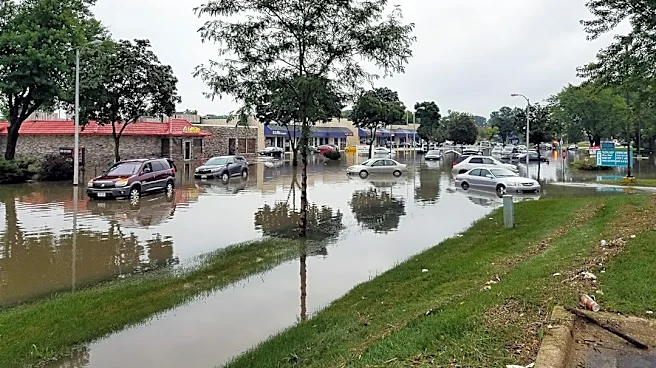
affected by the recent deluge. The organization has deployed its mobile feeding van to distribute snacks and water and has provided dumpsters to help residents dispose of flood-damaged items. Since Thursday, The Salvation Army has distributed nearly 1,000 flood cleanup kits across Omaha. The floods, which occurred Wednesday night, caused brown water to rush into numerous homes, submerging basements, furniture, valuables, and vehicles. Many residents, like Cindy Rinschen, reported losing sentimental items such as family photos and personal collections. Out of 167 properties in the Karen Western neighborhood, 123 homes have lost utilities, and two have been deemed 'danger-closed' due to significant structural damage. The City of Omaha is streamlining permitting processes and waiving flood-related fees for affected residents, while the Omaha Police Department is maintaining a presence in the community to ensure safety during cleanup.
Why It's Important?
The ongoing flood relief efforts in Omaha's Karen Western neighborhood highlight the immediate and devastating impact of natural disasters on local communities. The extensive damage to homes and personal belongings underscores the critical need for rapid humanitarian response and long-term recovery support. The Salvation Army's involvement, alongside city agencies, is crucial for providing essential resources like food, water, and cleanup supplies, which are vital for residents to begin the arduous process of rebuilding their lives. The loss of utilities in a significant number of homes and the 'danger-closed' status of others indicate a severe disruption to daily life and potential displacement for many families. The city's measures to waive fees and streamline permits are important steps to alleviate the financial burden on affected homeowners. This situation also brings to light the emotional and psychological toll on residents who have lost cherished possessions and face an uncertain future, emphasizing the importance of community support and resilience in the face of adversity.
What's Next?
The Salvation Army, in collaboration with the City of Omaha and other agencies, will continue to provide resources and food to the Karen Western community. Specific events are scheduled, including resource distribution and free meal services at Karen Western School on Sunday, October 4th. The Mockingbird Hills Community Center will remain open as an emergency shelter through Sunday for displaced residents. United Way of the Midlands is coordinating free temporary housing through a partnership with Airbnb.org and offering one-time financial support via the Goodfellows emergency relief program. Residents with active water or sewage issues are directed to the Mayor’s Hotline, and guidance is being provided for waste disposal and debris removal. The city's Planning & Permits Department is prioritizing flood-recovery permit applications and exempting fees for properties with utility shut-offs or vacate orders. Residents are advised to ensure contractors are licensed, insured, and bonded for repair work. The cleanup and recovery process is expected to be prolonged, with community members like Angie Bera Cunningham noting that the impact will last for a considerable time.
Beyond the Headlines
The flash floods in Omaha's Karen Western neighborhood underscore the increasing vulnerability of urban areas to extreme weather events, a phenomenon often linked to climate change. The '100-year flood event' designation suggests an infrequent occurrence, yet such events are becoming more common, challenging existing infrastructure and emergency preparedness. This situation prompts a broader examination of urban planning, drainage systems, and the need for resilient infrastructure to withstand future climate impacts. The community's response, with neighbors helping each other and organizations like The Salvation Army stepping in, highlights the power of local solidarity in times of crisis. However, it also exposes potential gaps in long-term support and the need for comprehensive strategies to assist residents in rebuilding their lives, not just immediately after a disaster but for months and years to come. The loss of sentimental items, as expressed by residents, points to the profound emotional and psychological dimensions of disaster recovery, which often extend beyond material damage and financial aid.