






What's Happening?
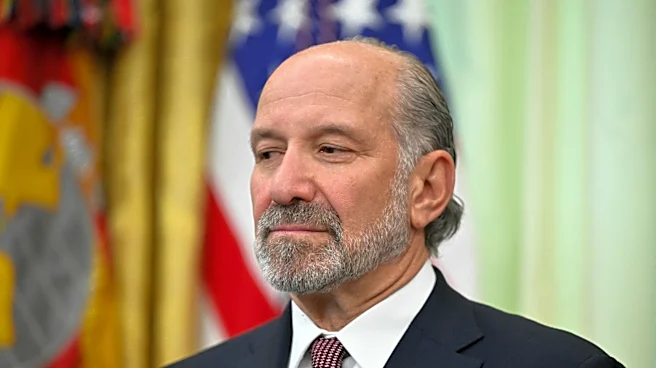
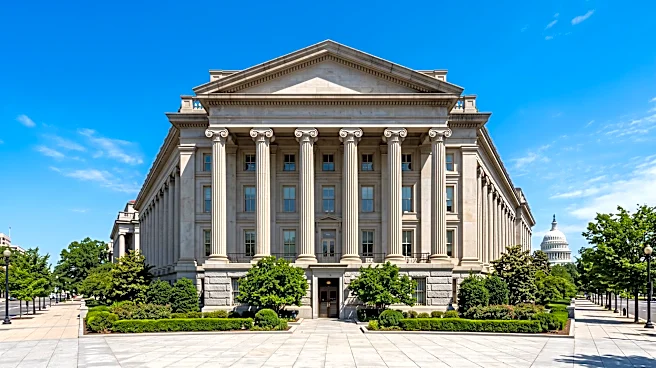
The U.S. Treasury Secretary holds a pivotal role in shaping the nation's economic agenda, acting as the chief financial officer of the federal government. This position involves a wide array of responsibilities, including managing the national debt, regulating
financial markets, and implementing sanctions and economic sanctions against countries and entities deemed threats to national security. The Secretary works closely with other government agencies, such as the State Department and the Commerce Department, to identify targets and develop strategies for imposing these sanctions. Additionally, the Treasury Secretary advocates for U.S. interests abroad, engaging with foreign officials and participating in international economic forums to promote U.S. trade and investment policies. The decision-making process is supported by a team of economists and financial experts within the Office of the Secretary, providing advice on fiscal policy, monetary policy, and financial regulation.
Why It's Important?
The U.S. Treasury Secretary's actions have far-reaching consequences for individuals, businesses, and the global economy. The implementation of sanctions, for instance, can significantly impact international trade, investment flows, and geopolitical relationships. By targeting specific entities or countries, the U.S. Treasury can exert considerable economic pressure, influencing behavior and promoting national security objectives. Domestically, the Secretary's management of the national debt and regulation of financial markets are crucial for economic stability and growth. Decisions made in these areas can affect interest rates, inflation, and the overall health of the U.S. financial system. The role also underscores the interconnectedness of economic policy with foreign policy, as the Secretary's advocacy abroad directly supports U.S. strategic interests and economic competitiveness on a global scale.
What's Next?
The U.S. Treasury Secretary will continue to face challenges such as managing the growing national debt, which requires ongoing collaboration with Congress to develop comprehensive plans for reduction through spending cuts or increased tax revenues. The Secretary will also remain at the forefront of regulating financial markets, striving to prevent future crises while ensuring the system operates safely. In the realm of international relations, the Treasury Secretary will likely continue to utilize sanctions as a tool of foreign policy, adapting strategies to address evolving global threats and geopolitical dynamics. This ongoing engagement will necessitate continuous monitoring of global economic trends and diplomatic efforts to safeguard U.S. financial interests and national security.
Beyond the Headlines
The extensive powers vested in the U.S. Treasury Secretary, particularly concerning sanctions, highlight a broader trend of economic statecraft becoming a primary instrument of foreign policy. This approach, often termed 'weaponized interdependence,' transforms global financial and trade networks into tools of coercion. While effective in isolating adversaries, it also raises questions about the long-term implications for the stability of the international financial system and the potential for other nations to seek alternatives to U.S.-dominated financial infrastructure. The Secretary's role in balancing domestic economic health with international strategic objectives underscores the complex interplay between national interests and global economic realities, influencing not only geopolitical rivalries but also the ethical considerations of economic pressure on civilian populations.