






What's Happening?
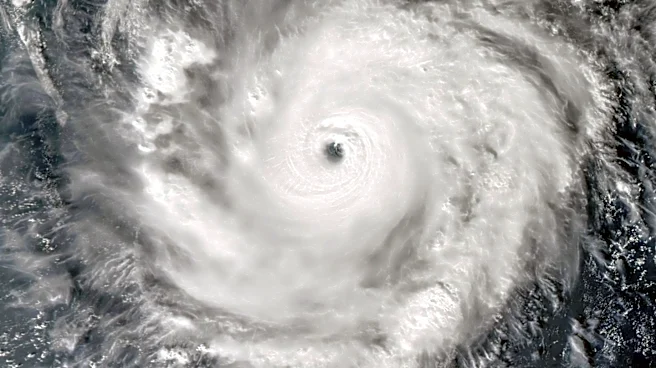
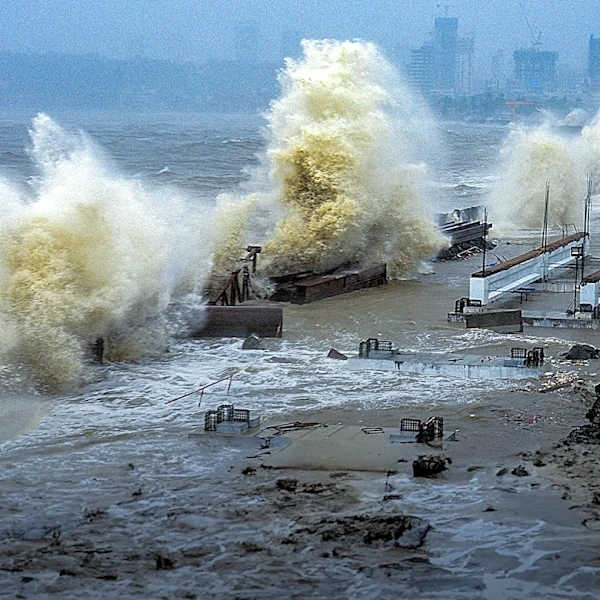
Typhoon Dolphin has hit Japan's Okinawa prefecture, causing injuries to six people and power outages affecting over 50,000 buildings. The storm, with winds reaching up to 216 kph, has led to the cancellation of flights and disruptions in power supply.
In anticipation of the typhoon's landfall, China has shut down ports and halted ferry services along its east coast. The storm is expected to make landfall between Zhoushan and Fuding in China, prompting authorities to raise emergency response levels and prepare for potential flooding and landslides.
Why It's Important?
The impact of Typhoon Dolphin highlights the vulnerability of coastal regions in Asia to severe weather events, which are becoming more frequent and intense due to climate change. The disruptions in transportation and power supply underscore the economic and social challenges posed by such natural disasters. For China, the typhoon's approach has necessitated significant logistical and emergency preparedness efforts, reflecting the broader need for resilient infrastructure and effective disaster management strategies in the face of climate-related threats.
What's Next?
As Typhoon Dolphin continues its path, authorities in affected regions will focus on recovery and restoration efforts. In Japan, this will involve repairing infrastructure and restoring power, while in China, the emphasis will be on mitigating the impact of the storm as it makes landfall. The situation may prompt further discussions on improving regional cooperation and preparedness for future typhoons, as well as investments in climate resilience and adaptation measures.