






What's Happening?
The Federal Communications Commission (FCC) is reevaluating the Schools and Libraries Universal Service Support Program, known as the 'E-Rate program,' which has subsidized internet connectivity for schools and libraries for 30 years. The proposed rule,
recently opened for public comment, considers potential restrictions to the program. The FCC's review is prompted by 'rising concerns about the impact of screen time' and a desire to assess if the program still aligns with Congress's original connectivity goals. Vermont state leaders are concerned that if changes are implemented, schools will need to cut other services to cover internet costs. In fiscal year 2025, Vermont schools and districts received $3.7 million from the E-Rate program for broadband and internet infrastructure. The FCC's proposed rule questions whether the Commission has the authority to limit or sunset the program and when its core objective might be considered achieved. Senator Peter Welch (D-Vt.) stated that any attempts to end the program would be detrimental to rural learning and contradict federal broadband buildout goals.
Why It's Important?
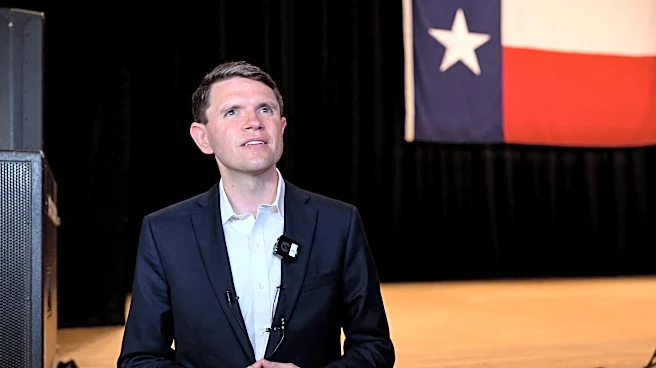
The potential rollback of E-Rate program funds could have significant implications for educational institutions across the U.S., particularly in rural areas. The program is crucial for providing affordable broadband internet access, which supports not only student learning but also essential school infrastructure, including security systems, student information systems, finance systems, and HVAC. Without this funding, schools and libraries, especially those in underserved communities, may struggle to maintain modern digital infrastructure, potentially widening the digital divide. Education leaders, such as Michael Leichliter, superintendent of schools for the Harwood Unified Union School District, argue that the FCC is conflating the program's purpose with concerns about student screen time, as E-Rate funds primarily support connectivity and equipment, not student devices. The program also ensures schools can update digital infrastructure for cybersecurity. The proposed changes could force schools to reallocate already strained budgets, impacting other vital educational services.
What's Next?
The FCC's proposed rule is currently open for public comment, allowing stakeholders to voice their concerns and perspectives on the future of the E-Rate program. Following the public comment period, the FCC will review the feedback and make a decision on whether to implement restrictions or changes to the program. This decision will likely face scrutiny from lawmakers, educational organizations, and advocacy groups, particularly those representing rural communities. If funding is reduced or eliminated, schools and libraries will need to identify alternative funding sources or make difficult budgetary cuts. There may also be legislative efforts to protect or modify the E-Rate program, given the strong opposition from some members of Congress, such as Senator Peter Welch. The debate will continue to center on balancing concerns about screen time with the critical need for equitable internet access in educational settings.
Beyond the Headlines
The FCC's reevaluation of the E-Rate program highlights a broader national debate about the role of technology in education and the digital divide. While concerns about student screen time are valid, the program's primary function has been to ensure fundamental internet access, which is now considered a basic utility for modern education. The discussion also touches upon the interpretation of congressional intent from decades ago versus current technological needs. The potential changes could exacerbate existing inequalities, as schools in less affluent or rural areas often rely more heavily on federal subsidies for essential services. Furthermore, the move raises questions about the balance between federal oversight and local control over educational resources. The outcome of this reevaluation could set a precedent for how federal programs adapt to evolving technological landscapes and societal concerns, potentially influencing future policy decisions regarding infrastructure and access in other sectors.