






What's Happening?
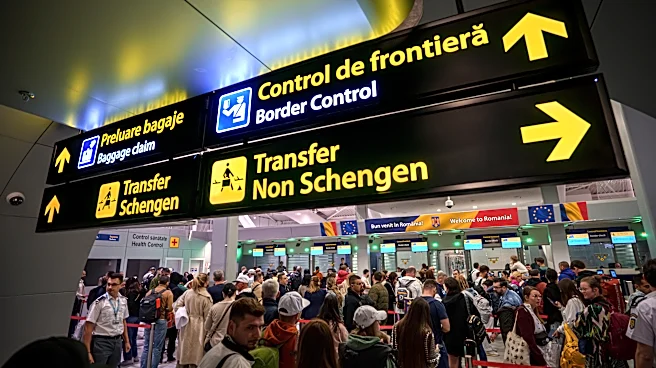
Mumbai Police have apprehended three men accused of posing as customs officers to extort money from international travelers at Mumbai’s international airport. The arrested individuals are Mohammad Zohaib Usman Baloch, a delivery executive; Zaid Nadeem
Sheikh, a call center employee; and Saliya Saeed Ahmed Qureshi, who operates a tiffin service. These individuals allegedly carried forged identity cards from the Directorate of Revenue Intelligence (DRI) and the Customs Department to convince passengers of their authority. They reportedly approached international passengers, threatening them with fines for carrying prohibited goods or newly purchased electronic items, and demanded money and valuables under the guise of customs violations. The alleged scheme came to light when the accused confronted Aman Hasan Mirza, who had arrived from Bangkok. One of the accused reportedly grabbed Mirza, seized his passport and mobile phone, and attempted to take him to a parking area. A traffic official intervened, leading to the arrest of the three men.
Why It's Important?
This incident highlights a significant security and public trust concern at a major international entry point. The impersonation of government officials, particularly those involved in customs and revenue, can severely undermine the integrity of border control processes and create a climate of fear and distrust among travelers. For international passengers, such incidents can lead to financial losses, emotional distress, and a negative perception of safety and law enforcement. The use of forged identity cards suggests a degree of sophistication in the operation, raising questions about how these fake credentials were obtained and used without immediate detection. This type of criminal activity can also deter tourism and business travel, impacting the local economy. The involvement of individuals from various professions suggests a broader network or opportunistic criminal behavior, emphasizing the need for enhanced vigilance and security measures at airports.
What's Next?
Investigators are currently examining whether other passengers were similarly targeted at the airport and are working to determine the duration of the alleged operation and if additional individuals were involved. The police will also investigate the source of the forged government identity cards and the methods used by the accused to identify and approach arriving passengers. Authorities are looking into whether the accused successfully extorted money or valuables from other travelers through similar threats. The ongoing inquiry will focus on the scale of the operation and any potential connections to larger criminal networks. This case underscores the need for increased security protocols and public awareness campaigns to educate travelers about official procedures and how to verify the identity of law enforcement personnel at airports.
Beyond the Headlines
The alleged impersonation of customs officials touches upon deeper issues of identity fraud and the vulnerability of public trust in official institutions. The ease with which forged documents were reportedly used raises concerns about the authenticity verification processes for official identification. This incident could prompt a review of security measures at international airports, including the visibility and identification protocols for genuine customs and law enforcement personnel. Furthermore, it highlights the psychological impact of such crimes, where the authority of government officials is exploited to intimidate and defraud. The case may also lead to discussions about public education on how to identify legitimate officials and report suspicious activities, empowering travelers to protect themselves from similar scams. The broader implication is a potential erosion of confidence in the security apparatus if such impersonations are perceived to be widespread or easily executed.