




What's Happening?
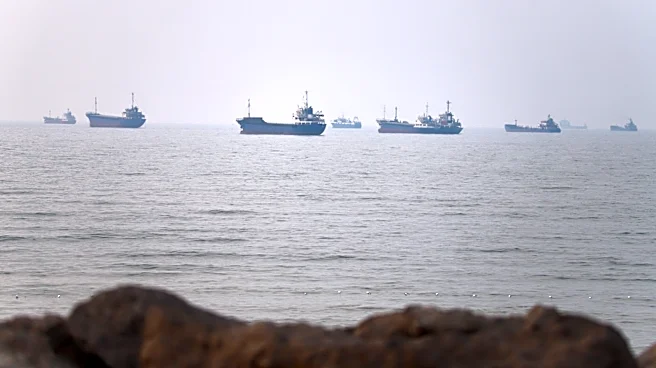
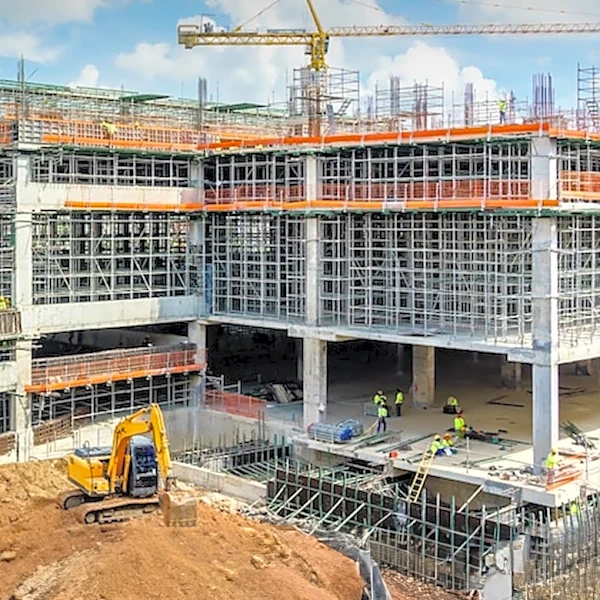
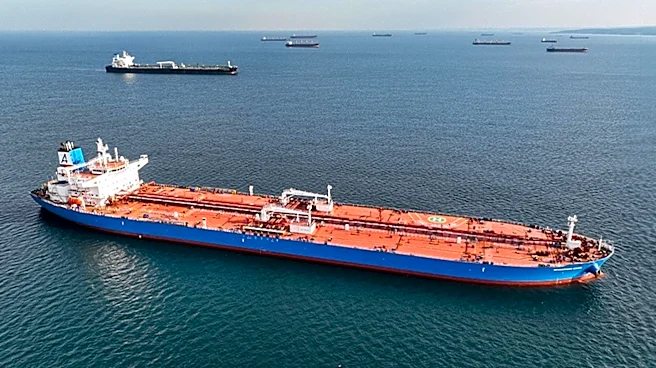
The United Arab Emirates (UAE) is planning to expand its port and freight-handling capacity on its East Coast to bypass the Strait of Hormuz, a critical chokepoint for global oil shipments. DP World, a major global logistics network, is set to build a new
port on the Fujairah coast and expand the existing Fujairah container terminal. This development aims to reduce dependency on the Strait, which has been subject to disruptions due to regional conflicts. The UAE is also working on a second crude pipeline to double capacity, enhancing its strategic infrastructure to ensure uninterrupted oil exports.
Why It's Important?
The expansion of UAE's port infrastructure is crucial for maintaining stable oil exports amid geopolitical tensions in the Middle East. By bypassing the Strait of Hormuz, the UAE aims to mitigate risks associated with potential blockades or conflicts that could disrupt oil shipments. This move not only strengthens the UAE's position as a key player in global oil markets but also highlights the strategic importance of diversifying export routes. The development could influence regional trade dynamics and impact global oil supply chains, providing a more secure and reliable alternative for oil transportation.
What's Next?
The UAE's infrastructure projects are expected to progress rapidly, with the new port and pipeline developments enhancing the country's export capabilities. The completion of these projects will likely attract increased investment and trade activity in the region. However, the UAE will need to navigate potential challenges, such as integrating new infrastructure with existing logistics networks and managing geopolitical tensions. The success of these initiatives could set a precedent for other Gulf Cooperation Council (GCC) states to follow suit, further altering the landscape of regional trade and energy security.