


What's Happening?
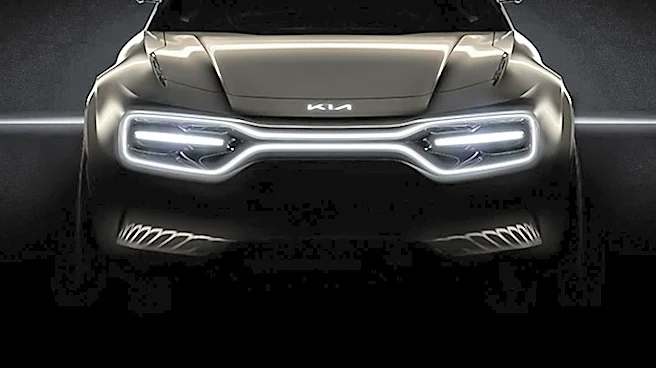
The National Highway Traffic Safety Administration (NHTSA) announced its intention to modernize U.S. vehicle lighting standards. This initiative aims to address several key areas, including headlight glare, improving rules for LED technology, dusk sensors,
and automatic high beams, evaluating headlamp height and aim for driver visibility, streamlining test procedures for plastic optics and replaceable lenses, and aligning U.S. regulations with international safety standards. This announcement comes after a previous attempt in 2022 to update FMVSS 108 for adaptive driving beam technology largely failed to integrate with international standards, resulting in minimal adoption by automakers. Public comments on the proposed changes can be submitted until November 9.
Why It's Important?
The modernization of headlight standards is critical for enhancing road safety across the U.S. Current regulations have been criticized for lagging behind international advancements, particularly regarding adaptive driving beam technology, which can improve visibility without causing glare. The widespread public concern over headlight glare, as evidenced by studies showing a majority of drivers find it a serious issue, underscores the urgency of these updates. By addressing glare and improving performance, NHTSA aims to reduce accidents and improve driving conditions for all road users. Harmonizing U.S. standards with international ones could also allow automakers to deploy more advanced lighting technologies already available globally, fostering innovation and potentially reducing manufacturing complexities for vehicles sold in the U.S.
What's Next?
NHTSA has not provided a specific timeline for issuing new regulations, but the public comment period is open until November 9. Following this, NHTSA will review feedback and proceed with drafting and implementing the updated standards. This process will likely involve collaboration with experts and stakeholders from the automotive industry, safety advocates, and international regulatory bodies. The success of this new attempt will largely depend on NHTSA's ability to effectively harmonize U.S. regulations with international standards, particularly for adaptive driving beams. If successful, consumers can expect to see more advanced and safer headlight technologies in new vehicles, potentially leading to a significant improvement in nighttime driving safety.
Beyond the Headlines
Beyond the immediate safety benefits, the modernization of headlight standards touches upon broader themes of technological adoption and regulatory agility. The previous failed attempt to update FMVSS 108 highlights the challenges of integrating advanced technologies into outdated regulatory frameworks. This new initiative represents an opportunity for NHTSA to demonstrate a more responsive and forward-thinking approach to vehicle safety. The issue of headlight glare also has a social dimension, as it disproportionately affects older drivers and those with certain visual impairments, making road travel less safe and comfortable for a significant portion of the population. A successful update could therefore contribute to greater inclusivity and accessibility in transportation, reflecting a commitment to leveraging technology for the benefit of all road users.