






What's Happening?
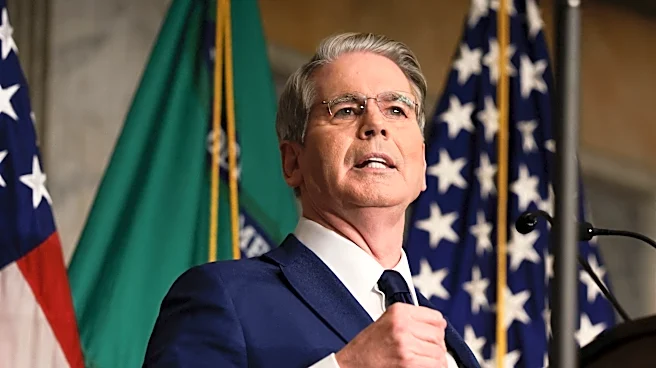
Union Minister of Science and Technology Dr. Jitendra Singh announced that India is significantly increasing its exploration efforts for critical minerals. This initiative aims to foster a startup-driven mining ecosystem and establish robust domestic
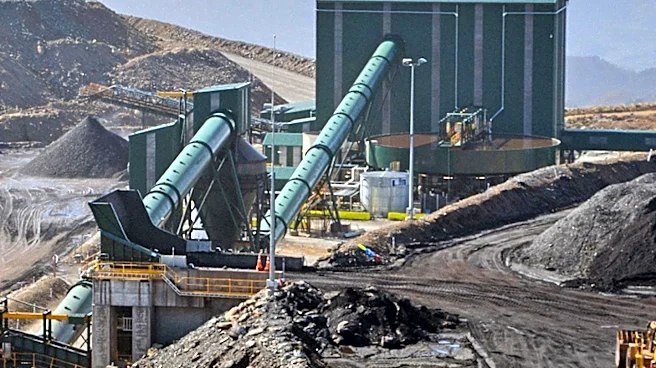
value chains, thereby reducing the nation's reliance on imports for these essential resources. During the Governing Body meeting of the National Mineral Exploration and Development Trust in New Delhi, co-chaired by Union Minister of Coal and Mines G. Kishan Reddy, Dr. Singh emphasized the need to accelerate exploration, particularly for lithium and other critical minerals, to align with global demand and India’s strategic requirements. He highlighted ongoing exploration activities in regions such as Rajasthan and Jammu and Kashmir and called for their expansion. The Minister also stressed the importance of creating a supportive environment for startups and private sector involvement through institutional support, incentives, and expedited approvals for mining technologies. The overarching goal is to build end-to-end domestic supply chains, including processing and value addition, and to resolve clearance delays while enhancing local community engagement for smoother project implementation.
Why It's Important?
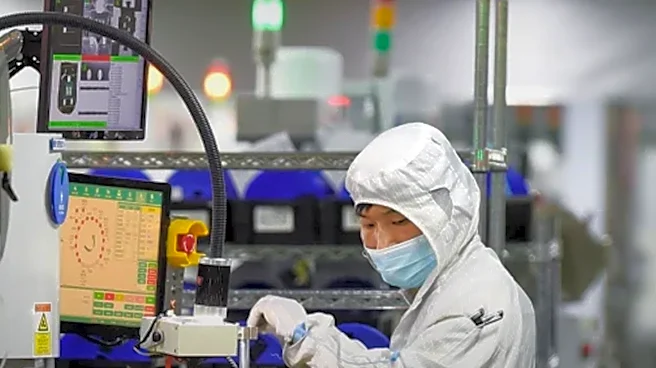
The global demand for critical minerals like lithium, cobalt, nickel, and copper is surging due to the rapid expansion of advanced manufacturing, digital technologies, and clean energy sectors. India's intensified focus on domestic exploration and value chain development for these minerals is crucial for its economic independence and strategic security. By reducing import dependence, India can mitigate risks associated with global supply chain disruptions and geopolitical tensions, which currently see China dominating over 80% of the rare earth element supply. This move is vital for India's burgeoning clean energy transition and its ambition to become a manufacturing hub. Furthermore, fostering a startup ecosystem in mining can drive innovation, create jobs, and attract significant investments, contributing to economic growth. The emphasis on local community engagement and streamlined clearances is also important for ensuring sustainable and socially responsible mining practices, preventing potential conflicts, and ensuring that the benefits of mineral extraction are shared equitably.
What's Next?
India is expected to continue expanding its indigenous exploration efforts for critical minerals, with a particular focus on lithium. The government will likely implement new policies and incentives to attract private sector investment and support startups in the mining technology sector. Efforts to streamline regulatory clearances and enhance local community engagement will be prioritized to facilitate project implementation. The development of end-to-end domestic supply chains, encompassing both extraction and processing, will be a key focus. This strategic push is anticipated to reduce India's vulnerability to global market fluctuations and geopolitical pressures related to critical mineral supplies. The success of these initiatives will depend on effective collaboration between government bodies, private enterprises, and local communities, as well as sustained investment in research and development.
Beyond the Headlines
The push for critical mineral self-sufficiency in India reflects a broader global trend where nations are re-evaluating their reliance on foreign sources for essential resources, especially those vital for green technologies and national security. This initiative could lead to significant technological advancements in mining and processing within India, potentially positioning it as a leader in sustainable resource management. However, it also raises ethical and environmental considerations, as increased mining activities can impact local ecosystems and communities. The balance between economic development, environmental protection, and social equity will be a critical challenge. The success of India's strategy could also influence international trade dynamics, potentially shifting global supply chains and fostering new alliances based on resource sharing and technological cooperation. This strategic pivot underscores the evolving geopolitical landscape where access to critical minerals is becoming as important as access to traditional energy sources.