







What's Happening?
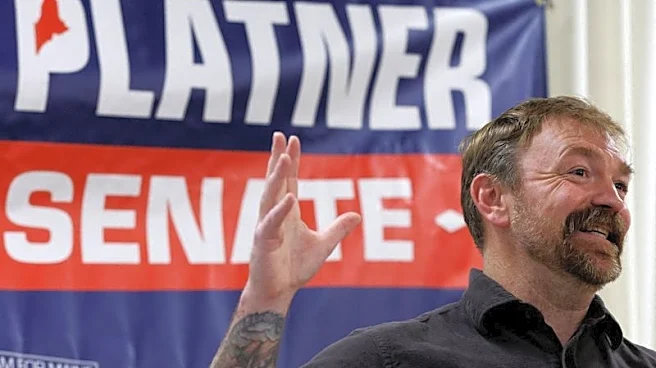
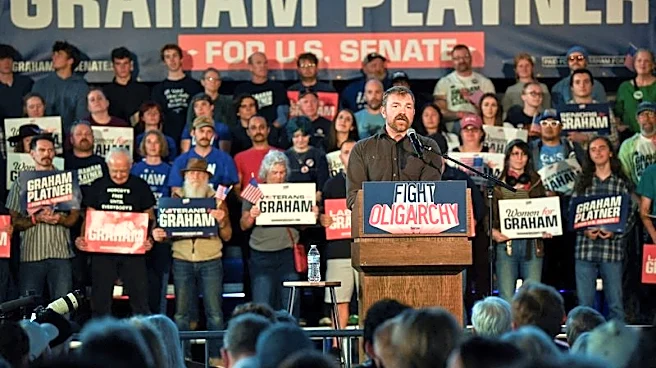
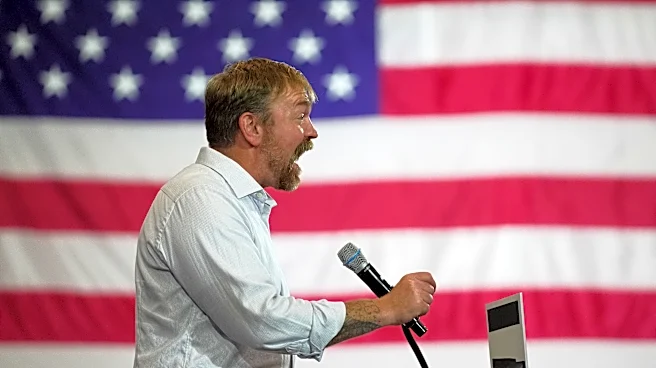
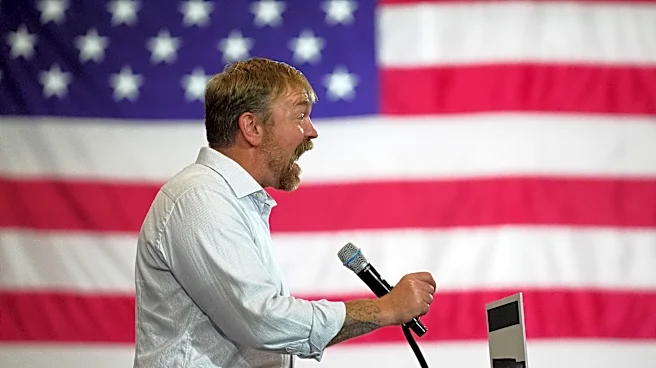
Following Graham Platner's withdrawal from the Maine Senate race due to a sexual assault allegation, the Maine Democratic Party is organizing a convention to select a new candidate. Platner, who was a progressive candidate, faced pressure to step down
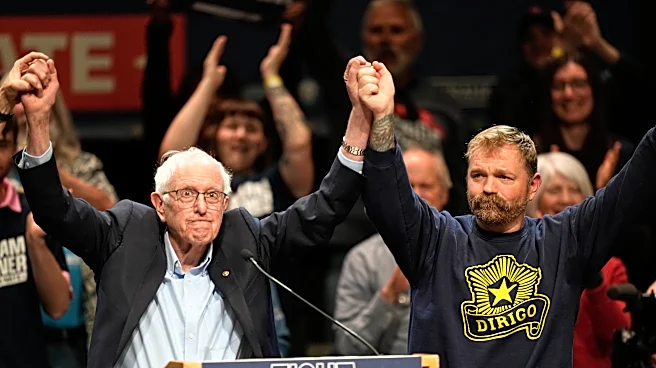
after accusations surfaced of a 2021 assault. Despite denying the allegations, Platner's campaign was already struggling with controversies, including a tattoo linked to Nazi symbolism and past infidelity. High-profile supporters, such as Senator Bernie Sanders, withdrew their backing, leading to Platner's decision to exit the race. The party now faces the challenge of finding a replacement by the July 27 deadline.
Why It's Important?
The withdrawal of Platner is a significant setback for the Democratic Party's efforts to unseat Republican Senator Susan Collins. Maine is a pivotal state in the Democrats' strategy to regain control of the Senate. The party's ability to quickly and effectively nominate a new candidate will be crucial in maintaining their chances in the upcoming elections. This situation highlights the impact of personal scandals on political campaigns and the importance of candidate vetting. The outcome of this race could influence the Senate's composition and legislative priorities.
What's Next?
The Maine Democratic Party must act swiftly to nominate a new candidate by the July 27 deadline. The upcoming convention will be a critical moment for the party to demonstrate unity and strategic planning. The new candidate will need to quickly establish a campaign to compete against Senator Collins. The party's handling of this situation will be scrutinized, as it may affect voter confidence and support. The Democrats' response will also serve as a case study in crisis management within political campaigns.