







What's Happening?
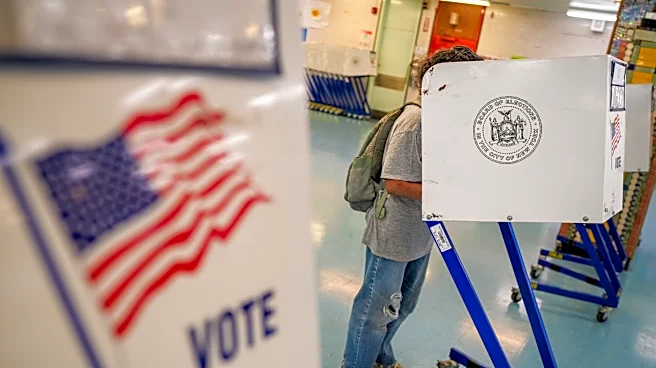
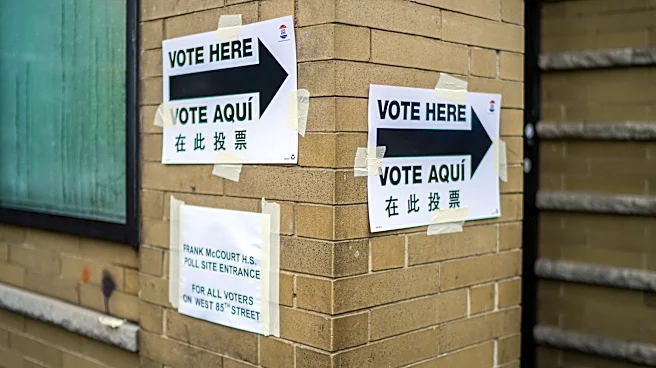
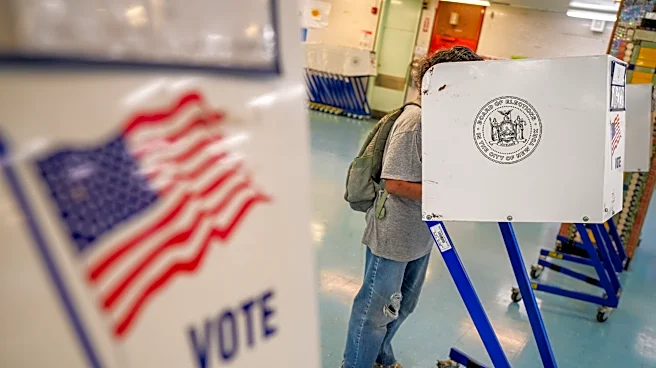
In New York, a populist wave is threatening the political establishment as voters express frustration with incumbents. This sentiment is manifesting in primary elections where challengers are gaining traction against established figures. Democratic Rep.
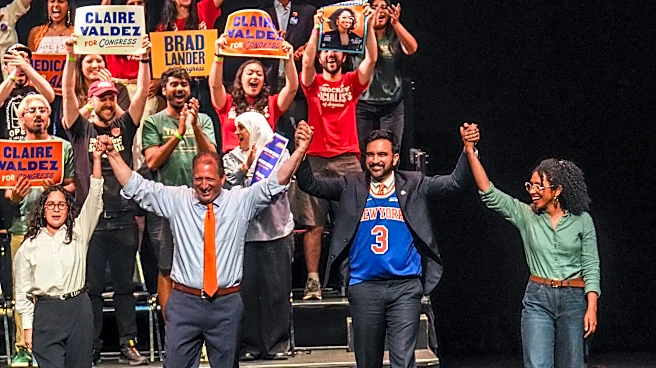
Adriano Espaillat faces a challenge from community organizer Darializa Avila Chevalier, backed by Mayor Zohran Mamdani. Similarly, Brooklyn Borough President Antonio Reynoso is competing against Assemblymember Claire Valdez, both supported by Mamdani. In upstate New York, Republican Assemblymember Robert Smullen is in a contentious race with Anthony Constantino, endorsed by President Trump. The public's dissatisfaction with rising prices and political leadership is providing an opening for candidates promising change, creating a challenging environment for incumbents.
Why It's Important?
The rise of populist candidates in New York reflects broader national trends where voters are increasingly disillusioned with traditional political figures. This shift could lead to significant changes in political representation, affecting policy decisions and party dynamics. The movement is fueled by economic concerns, such as inflation and cost-of-living issues, which have been exacerbated by recent geopolitical events. As incumbents struggle to maintain their positions, the political landscape may see a shift towards more radical or outsider candidates, potentially altering legislative priorities and governance styles. This environment underscores the growing divide between establishment figures and grassroots movements, highlighting the need for political adaptation to address voter concerns.
What's Next?
As primary elections approach, the outcomes will determine the future political landscape in New York and potentially influence national politics. Incumbents may need to adjust their strategies to address voter dissatisfaction and economic concerns. The success of populist candidates could inspire similar movements in other states, leading to a broader reevaluation of political strategies and alliances. Political parties may need to reconcile internal divisions and address the root causes of voter discontent to maintain relevance and effectiveness. The evolving political dynamics could also impact upcoming midterm elections, shaping the balance of power in Congress.
Beyond the Headlines
The rise of populist candidates in New York highlights deeper societal issues, such as economic inequality and political disenfranchisement. This movement reflects a growing demand for accountability and transparency in governance, challenging traditional power structures. The shift towards outsider candidates may lead to increased political polarization, as parties struggle to accommodate diverse viewpoints and priorities. Additionally, the role of social media in amplifying populist messages underscores the changing nature of political communication and engagement, necessitating new approaches to voter outreach and mobilization.