

What's Happening?
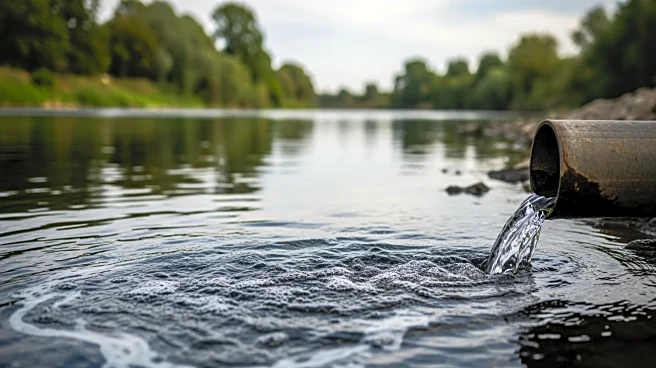
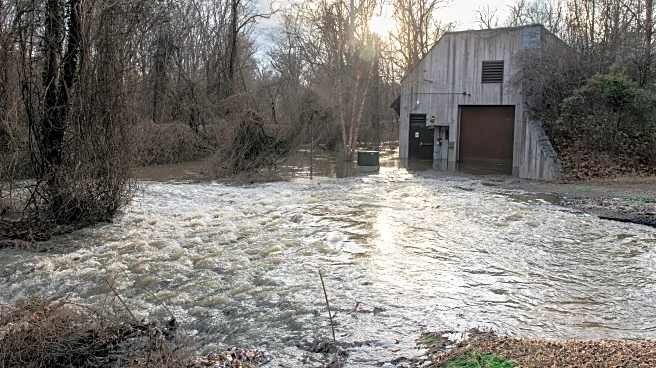
President Donald Trump announced that the federal government will intervene to address a significant sewage spill into the Potomac River following the collapse of a major sewer line in Montgomery County, Maryland. The incident, which occurred on January
19, resulted in over 200 million gallons of wastewater contaminating the river. The University of Maryland has identified this as one of the largest sewage spills in U.S. history, with high levels of harmful bacteria detected, raising public health concerns. Trump criticized local officials, particularly Maryland's Democratic Governor Wes Moore, for mismanaging waste systems. The Federal Emergency Management Agency (FEMA), despite recent staff reductions, will coordinate the federal response. Governor Moore's office countered that the federal government is responsible for the Potomac Interceptor, the affected sewer line, and accused the Trump administration of delayed action.
Why It's Important?
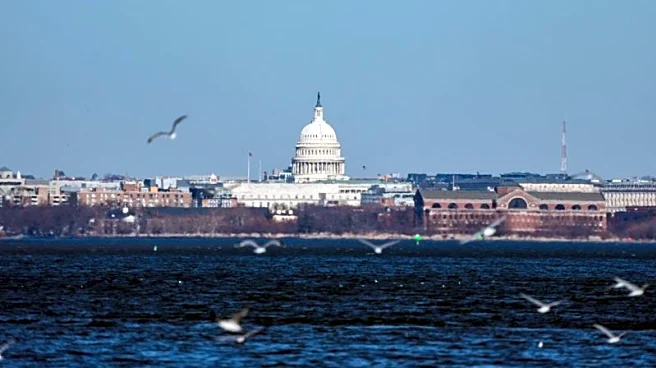
The federal intervention underscores the critical nature of the spill, which poses significant environmental and public health risks. The Potomac River is a vital water source for the Washington, D.C. region, and contamination could have severe implications for water safety and ecosystem health. The incident highlights the challenges of aging infrastructure and the need for effective waste management systems. The political dynamics between federal and state authorities also reflect broader tensions, with Trump's administration often clashing with Democratic-led states. The response to this environmental crisis could set precedents for federal-state collaboration in managing infrastructure failures.
What's Next?
FEMA's involvement will likely lead to coordinated efforts to contain the spill and repair the damaged infrastructure. The response will require collaboration between federal, state, and local agencies to ensure public safety and environmental protection. The situation may prompt discussions on infrastructure investment and regulatory oversight to prevent future incidents. Political leaders and environmental advocates will likely scrutinize the effectiveness of the response and the accountability of involved parties. The incident could also influence public policy debates on infrastructure funding and environmental protection measures.