








What's Happening?
Several healthcare professionals in Iowa who were terminated from their positions have been awarded unemployment benefits by state judges. These rulings were based on findings that the employers failed to provide sufficient evidence of workplace misconduct.
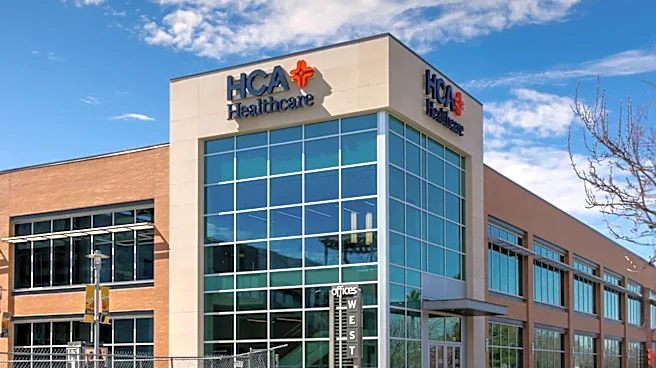
In one case, Garmai Rogers, a former employee of the nursing home chain WesleyLife, was fired after allegations of failing to answer residents' call lights in a timely manner and an incident involving a phone and call light. However, Administrative Law Judge Michael Lunn found WesleyLife did not substantiate the abuse allegations and failed to submit a key incident report, leading to Rogers being awarded benefits. Similarly, Theresa Simpson, a certified nursing assistant, was awarded benefits after her employer, Terrace Hill Healthcare, could not establish the merit of complaints against her. Heather Bartlett, a nursing manager at Covenant Medical Center, also received benefits after her employer provided no evidence of misconduct following her termination, which occurred after she raised concerns about patient care and a hostile work environment. Chasity Kephart, a first-responder community health coach, was awarded benefits after her hospital employer terminated her due to a city contract cancellation, with no evidence of job-related misconduct on her part.
Why It's Important?
These rulings by Iowa judges are significant for several reasons. They underscore the legal burden on employers to provide concrete evidence of misconduct when terminating employees, particularly when challenging unemployment claims. This protects workers from arbitrary dismissals and ensures they have a safety net during periods of joblessness. For healthcare professionals, who often work in high-stress environments, these decisions affirm their rights and provide a measure of job security against unsubstantiated claims. The cases highlight potential deficiencies in employer documentation and disciplinary processes, which could prompt other companies to review and strengthen their human resources practices. Furthermore, these decisions can influence future unemployment benefit claims, setting precedents that favor employees when employers fail to meet their evidentiary obligations, thereby impacting the financial liabilities of businesses and the support available to the workforce.
What's Next?
These judicial decisions could lead to increased scrutiny of termination practices within Iowa's healthcare sector and potentially other industries. Employers may face pressure to improve their documentation of employee performance and misconduct, ensuring that any disciplinary actions are thoroughly supported by evidence. This could result in more rigorous internal investigations and clearer communication of expectations and consequences to employees. For healthcare professionals, these rulings may empower them to challenge wrongful terminations and seek appropriate benefits. Legal precedents set by these cases could also influence future legislative discussions regarding employee rights and employer responsibilities in Iowa. Additionally, these outcomes might encourage more terminated employees to pursue unemployment claims, knowing that judges are upholding strict evidentiary standards for employers.
Beyond the Headlines
The cases reveal a deeper tension between employer discretion and employee protection, particularly in sectors like healthcare where the stakes are high for both patient care and worker livelihoods. The judges' emphasis on the lack of substantiated evidence suggests a systemic issue where employers might be failing to adequately document or investigate alleged misconduct before termination. This could stem from various factors, including insufficient HR resources, inadequate training for managers, or a lack of clear internal policies. The rulings also touch upon the ethical dimensions of patient care, as seen in Heather Bartlett's case where her concerns about patient care preceded her dismissal. This raises questions about whistleblower protections and the potential for retaliation against employees who advocate for patient well-being. Ultimately, these decisions contribute to the ongoing dialogue about fair labor practices and the balance of power between employers and employees in the U.S. workforce.