



What's Happening?
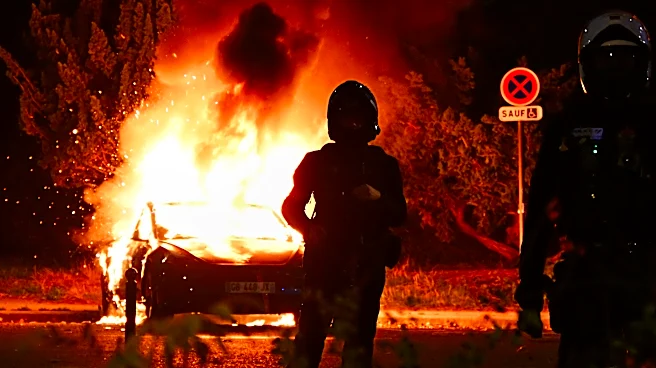
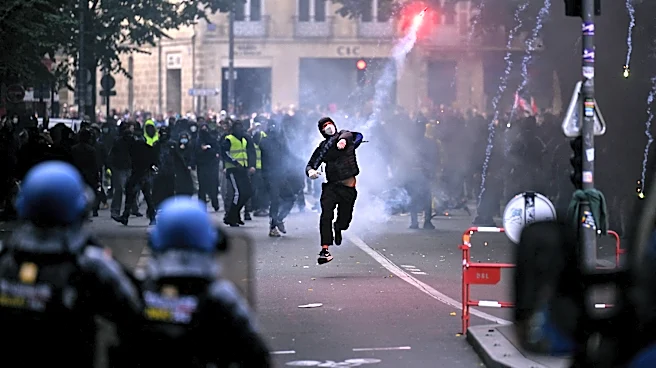
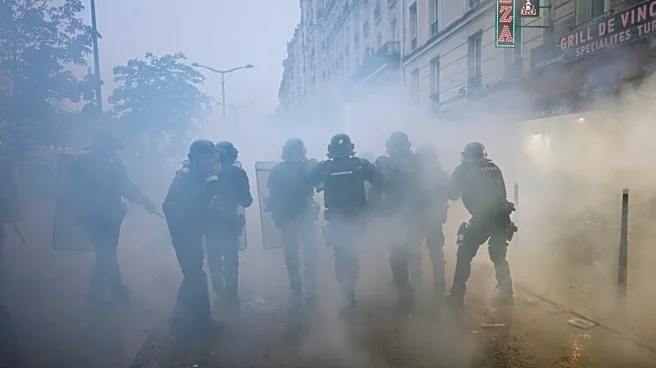
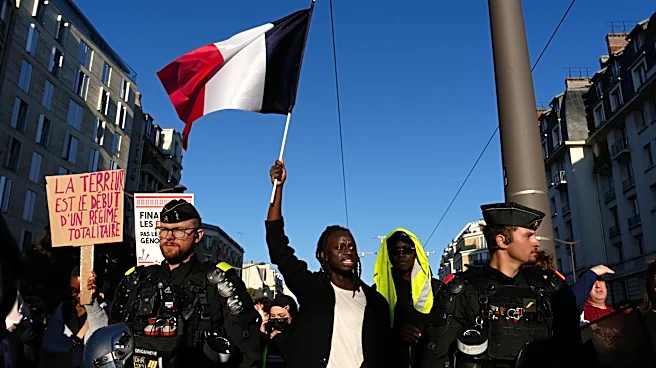
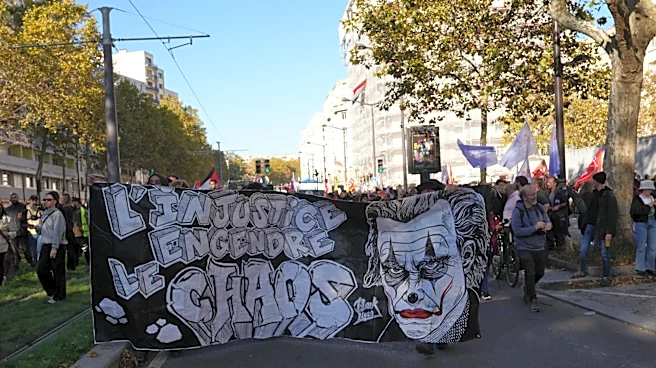
Accommodation bookings in Paris on platforms like Airbnb, Booking.com, and Vrbo have sharply declined following recent riots and looting in the city. According to Jamie Lane, chief economist at short-term rental analytics firm AirDNA, bookings fell 18%
year-on-year in the week after October 17, with a similar drop in the subsequent week. Nearly a third of bookings for a seven-day period starting October 19 were canceled. Louis Carrel-Billard, Chief Marketing Officer of Butler, an agency managing rental properties, reported that new bookings have halved since the October 17 riots, and last-minute bookings decreased by three-quarters. Rental rates have also declined, and if current trends persist, November occupancy could be as low as 35%, nearly half of last year's level. Tourist attractions, including the Louvre Museum, were forced to close on October 24 due to police orders, further disrupting tourist plans. Other European cities like Milan, Frankfurt, and Cologne have also experienced recent unrest.
Why It's Important?
The significant drop in tourism and Airbnb bookings in Paris has substantial implications for the global travel industry, including U.S. travelers and tourism-related businesses. Paris is a major international travel destination, and its reduced appeal due to civil unrest can lead to a ripple effect, potentially diverting U.S. tourists to other European cities or even domestic destinations. This situation highlights the fragility of the tourism sector to geopolitical and social instability. For Airbnb, Paris is one of its most crucial markets, having been its largest city by nights and listings in 2024. A prolonged downturn in this key market could impact Airbnb's global revenue and growth projections, affecting its U.S. operations and investor confidence. The challenges faced by Parisian hosts, including reduced occupancy and rates, reflect broader economic vulnerabilities for individuals and small businesses reliant on tourism.
What's Next?
The ongoing volatility in Paris, with new protests announced, suggests that the recovery of the tourism sector may be slow. Rental agencies like Get a Key have already resorted to cutting nightly rates by up to 50% to attract guests, indicating a competitive and challenging market ahead. The hospitality sector, including luxury hotels, is also experiencing high cancellation rates and a drop in last-minute bookings, with November and December looking 'very quiet.' This situation will likely prompt travel advisories and influence travel decisions for U.S. citizens planning trips to Europe. Airbnb and other booking platforms will need to adapt their strategies to address reduced demand and potentially offer incentives to both hosts and guests to mitigate the impact of the unrest. The long-term effects on Paris's reputation as a safe and desirable tourist destination remain to be seen.
Beyond the Headlines
The situation in Paris underscores the complex interplay between social unrest, urban stability, and economic prosperity, particularly for cities heavily reliant on tourism. Beyond the immediate financial losses, there are deeper implications for cultural exchange and international relations. When iconic cities like Paris experience prolonged periods of instability, it can alter global perceptions of safety and desirability, potentially leading to long-term shifts in travel patterns. For U.S. travelers, this might mean a re-evaluation of international travel risks and a greater preference for destinations perceived as more stable. The challenges faced by local businesses and cultural institutions also highlight the broader societal costs of civil unrest, extending beyond property damage to the erosion of economic vitality and cultural accessibility. This event serves as a stark reminder of how local disturbances can have far-reaching international consequences.