




What's Happening?
New immigration judges in Honolulu are significantly increasing the requirement for in-person appearances for immigrants and their attorneys, a departure from previous virtual hearing practices. Federal data analyzed by Civil Beat indicates that under
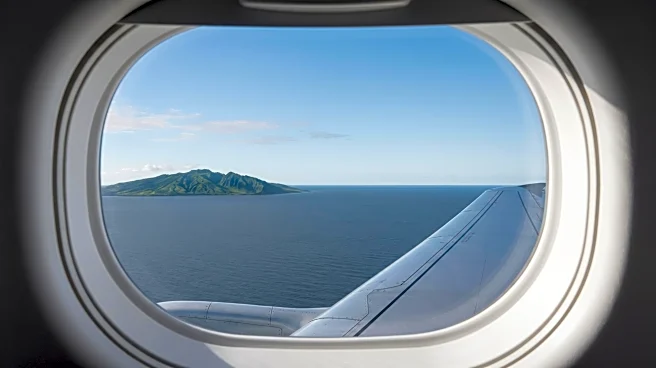
judges Tamara Wallen and Howard Hom, the number of in-person hearings has surged. For instance, in August, 176 out of 249 hearings were held in person, compared to 38 out of 120 in the same month last year. This shift impacts immigrants from neighbor islands and out-of-state, who are now frequently compelled to travel to Honolulu, incurring substantial costs for airfare, accommodation, and lost wages. Attorneys report that judges are denying motions for virtual appearances, even for those with active asylum applications or other legal statuses, forcing individuals from as far as Texas and Alaska to appear in person. This trend follows the rescission of a 2022 memo that encouraged virtual hearings, with the current Executive Office for Immigration Review director stating the previous memo exceeded authority.
Why It's Important?
This policy shift in Hawaii's immigration courts has significant implications for due process and access to justice for immigrants. The increased financial burden of travel and associated costs disproportionately affects low-income individuals, potentially forcing them to abandon their cases. Maui-based attorney Kevin Block noted that 30% to 40% of his clients are now choosing to voluntarily return to their countries of origin, compared to 5% previously, suggesting the new requirements are effectively designed to deter immigrants from pursuing their legal rights. The change also strains legal resources, as local attorneys are overwhelmed, and out-of-state attorneys face difficulties appearing virtually. This situation aligns with a broader national trend, according to immigration attorneys and former judges, who view it as part of a strategy to accelerate deportations and limit opportunities for immigrants in court, raising concerns about the fairness and accessibility of the immigration legal system.
What's Next?
The trend of increased in-person hearings is expected to continue, with approximately 90% of hearings scheduled for October set to be in person, a substantial rise from 22% in the same month last year. This will likely lead to further challenges for immigrants and their legal representatives, including continued financial strain and potential difficulties in securing legal counsel. Stakeholders, including immigration attorneys and advocacy groups, will likely continue to highlight the impact of these policies on immigrants' ability to pursue their cases. The Executive Office for Immigration Review has not provided specific policy changes or guidance regarding the increased in-person requirements, suggesting that the current practices are at the discretion of individual judges. This lack of clear policy may lead to ongoing inconsistencies and uncertainty within the immigration court system.
Beyond the Headlines
The shift towards mandatory in-person immigration hearings in Hawaii raises deeper questions about the balance between administrative efficiency and fundamental due process rights. Critics argue that these measures, while not explicitly stated as policy, serve as a de facto mechanism for 'self-deportation' by making the legal process prohibitively difficult and expensive. The flyer sent by Judge Wallen, highlighting the benefits of voluntary departure, further fuels concerns about judicial neutrality and the underlying intent of these procedural changes. This approach could erode public trust in the fairness of the immigration system and may lead to long-term social and economic consequences for communities that rely on immigrant labor and contributions. The ethical implications of creating such significant barriers to legal recourse for individuals seeking asylum or legal status warrant broader scrutiny and debate.