

What's Happening?
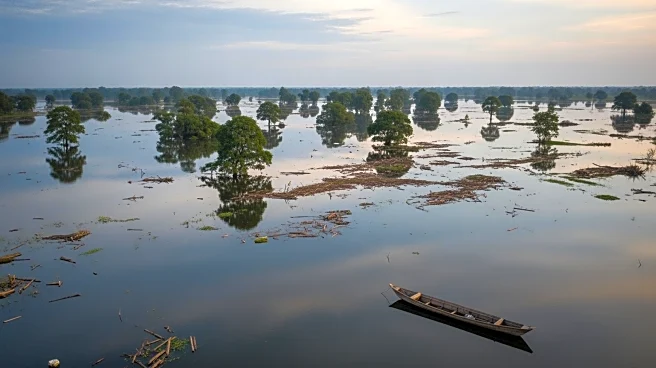
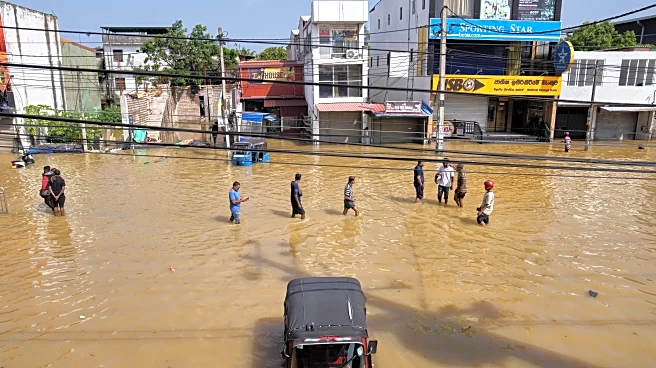
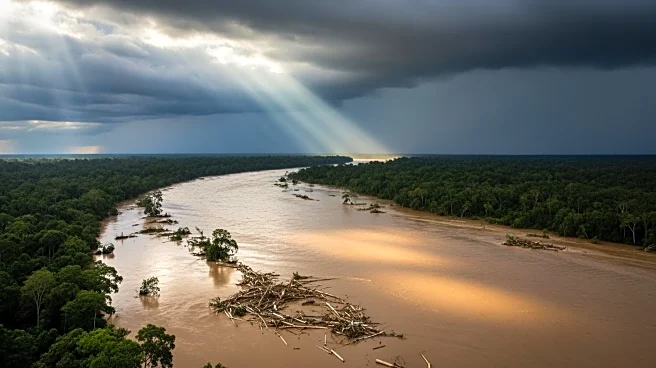
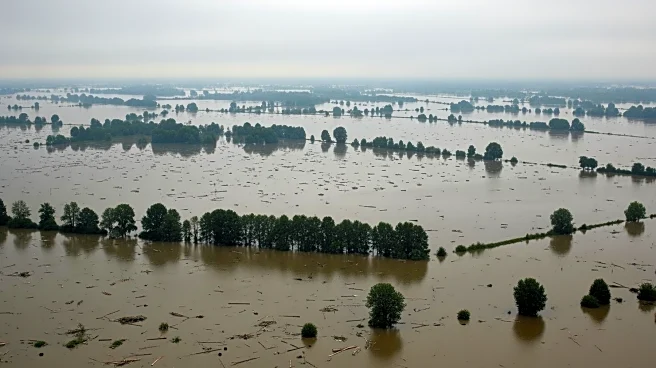
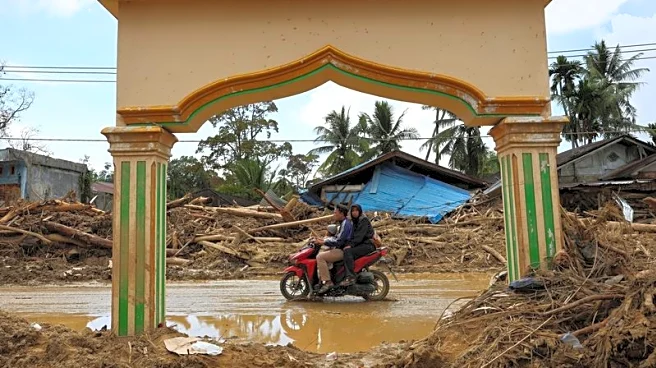
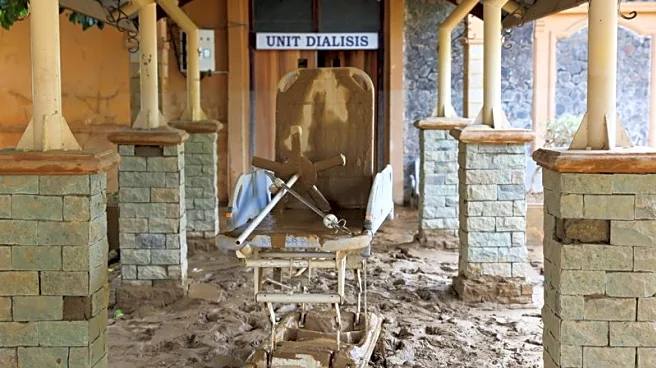
In response to devastating floods and landslides in Indonesia, the government has taken decisive action against illegal logging activities. The floods, which have claimed over 1,750 lives across Asia, have been exacerbated by deforestation linked to palm
oil demand. Indonesia's Forestry Minister, Raja Juli Antoni, announced the revocation of logging licenses for 20 companies covering 750,000 hectares in flood-affected areas. Environment Minister Hanif Faisol Nurofiq has also halted operations of palm oil, mining, and power plant companies upstream of disaster-hit regions. The floods have displaced over 800,000 people in Sumatra, with ongoing heavy rains posing further risks.
Why It's Important?
The Indonesian government's actions highlight the critical link between environmental management and disaster mitigation. By targeting illegal logging, the government aims to reduce the severity of natural disasters exacerbated by deforestation. This move could set a precedent for stricter environmental regulations in the region, potentially impacting the global palm oil industry. The decision underscores the urgent need for sustainable practices to prevent future calamities and protect vulnerable communities. The revocation of licenses may also influence international environmental policies and corporate practices regarding resource extraction.
What's Next?
The Indonesian government is expected to conduct environmental audits to ensure compliance with new regulations. The halted operations of companies in affected areas may lead to legal challenges and require negotiations with stakeholders. International aid and cooperation may be sought to support recovery efforts and implement sustainable land management practices. The situation calls for increased monitoring of environmental policies and their enforcement to prevent further ecological degradation and enhance disaster resilience.
Beyond the Headlines
The floods in Indonesia reveal deeper issues of environmental justice and the socio-economic impacts of deforestation. The affected communities, often marginalized, face long-term challenges in rebuilding their lives and livelihoods. The disaster highlights the need for inclusive policies that address the root causes of environmental degradation and prioritize the well-being of local populations. The global community's response to such crises could influence future international agreements on climate change and sustainable development.