
Assess Your Balcony's Potential
Before you buy a single plant, take a moment to understand your space. The most critical factor for success is sunlight. Observe your balcony through the day to see how many hours of direct sun it gets. South and west-facing balconies often receive strong,
direct light for over six hours, making them ideal for sun-loving vegetables and flowering plants like tomatoes, chillies, hibiscus, and bougainvillea. An east-facing balcony gets gentle morning sun, perfect for many foliage and tropical plants. North-facing balconies receive less direct light and are best for shade-tolerant species like snake plants, money plants, and some ferns. Also, consider wind exposure and make a note of your available floor, wall, and railing space.
Choose the Right Plants
For a thriving balcony garden in India, select plants suited to your climate and light conditions. Beginners should start with low-maintenance options to build confidence. For sunny spots, hibiscus, bougainvillea, marigold, and portulaca are excellent flowering choices that tolerate heat well. If you want to grow edibles, tomatoes, chillies, curry leaves, and mint are reliable starters. For shadier balconies, focus on lush foliage. Snake plants, areca palms, and money plants not only look great but also help purify the air. Don't forget herbs like tulsi (holy basil) and coriander, which are easy to grow in pots and add immense value to your kitchen.
Go Vertical and Maximise Space
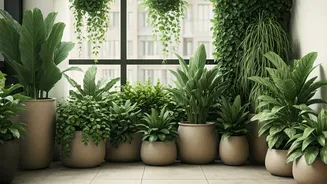
When floor space is limited, the only way to go is up. Vertical gardening is a game-changer for small balconies, allowing you to grow more without feeling cluttered. Use tiered plant stands or step ladders to create layers of greenery. Railing planters are perfect for adding colour without taking up floor area, while hanging baskets can create a beautiful cascading effect with trailing plants like money plant or petunias. You can also mount a trellis against a wall for climbers like jasmine or aparajita (bluebell vine). This approach not only maximises your growing capacity but also creates a more immersive, jungle-like feel.
Select Smart Containers and Soil
The right container is crucial for plant health on a balcony. Ensure every pot has drainage holes to prevent waterlogging, which is a common cause of root rot. Terracotta or clay pots are breathable and great for Indian climates, though they dry out faster. Lightweight plastic or fibre-glass pots are a good option if balcony weight is a concern. For vegetables, grow bags are an excellent choice as they promote healthy roots and prevent heat buildup. Don't use heavy garden soil. Instead, opt for a light, well-draining potting mix. A good combination is coco peat, compost, and a small amount of sand or perlite to ensure good aeration and moisture retention.
Create a Cozy 'Escape' Vibe
A true green escape is about more than just plants. To make your balcony a place you genuinely want to spend time in, add a few creature comforts. If space allows, include a small, foldable chair or a couple of floor cushions for comfortable seating. Good lighting can transform the space after sunset. Simple string or fairy lights wound around the railing or through a large plant can create a magical, cozy ambiance. Add personal touches with DIY décor like painted pots or small lanterns. These elements complete the transformation from a simple balcony to a functional and beautiful outdoor retreat.