









What's Happening?
A briefing document circulated to BHP investors highlights concerns that the Australian government's fuel tax break is impeding the decarbonisation of BHP's operations. The Australasian Centre for Corporate Responsibility (ACCR) suggests that the tax credit,
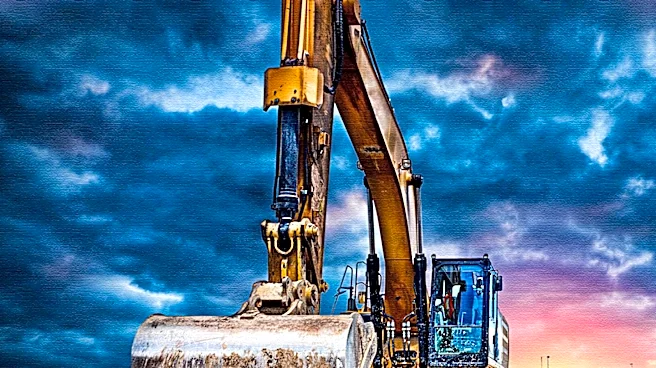
which offsets costs for BHP's diesel fleet, is delaying the company's transition to electrification. The ACCR argues that removing the tax break would make electrification projects financially viable. The briefing follows revelations that BHP has delayed key emissions reduction projects, despite acknowledging climate change as a significant threat. The ACCR warns that these delays could increase BHP's carbon costs significantly.
Why It's Important?
The fuel tax break is a critical issue as it affects BHP's ability to reduce emissions and transition to cleaner energy sources. The tax credit, valued at $622 million last year, is seen as a financial disincentive for BHP to pursue decarbonisation aggressively. This situation poses risks for investors concerned about the company's long-term sustainability and compliance with climate goals. The delay in decarbonisation could lead to increased carbon costs and impact BHP's reputation as a leader in the mining industry's transition to sustainable practices.
What's Next?
The ACCR's analysis may prompt further scrutiny from investors and policymakers regarding the fuel tax break's impact on decarbonisation efforts. Internal pressure within the Labor party and from environmental groups could lead to policy changes. BHP may face increased demands for transparency and accountability in its decarbonisation strategy. The company is expected to continue trials of electric haul trucks and explore other technologies to meet its emissions reduction targets.