





What's Happening?
The International Renewable Energy Agency (IRENA), along with the Global Energy Alliance and Practical Action, recently organized a workshop in Peru to discuss the use of renewable energy in supporting rural livelihoods across Latin America. Despite high
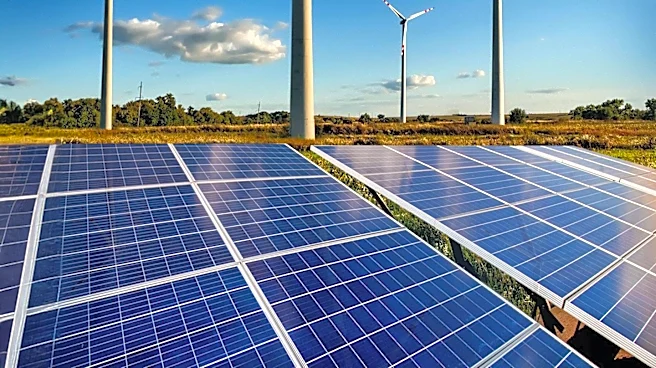
electrification rates, significant disparities in energy access persist between urban and rural areas. The workshop focused on decentralized renewable energy solutions, such as solar systems with battery storage and micro-hydropower, to address these gaps. Participants from Bolivia, Brazil, Colombia, Ecuador, and Peru shared insights on integrating renewable energy into local value chains and emphasized the need for technical assistance, skills development, and supportive policies to ensure sustainable economic opportunities.
Why It's Important?
Addressing energy access disparities in rural Latin America is crucial for economic development and improving the quality of life in underserved communities. Renewable energy solutions can provide reliable electricity for productive activities, such as agriculture and local manufacturing, thereby creating sustainable income sources. The workshop highlighted the importance of linking renewable electricity with local economic activities and community needs to deliver lasting social and economic benefits. Additionally, the discussions underscored the need for greater private-sector participation and investment incentives to scale renewable energy projects in rural areas.
What's Next?
To close the energy access gap, governments must create investment incentives and financing mechanisms that encourage private-sector involvement. Expanding the range of renewable technologies, such as micro-hydropower and wind energy, could improve the resilience of rural energy systems. Continued collaboration among governments, corporations, and communities will be essential to drive investment, innovation, and policy changes that support the transition to renewable energy in rural Latin America.