




What's Happening?
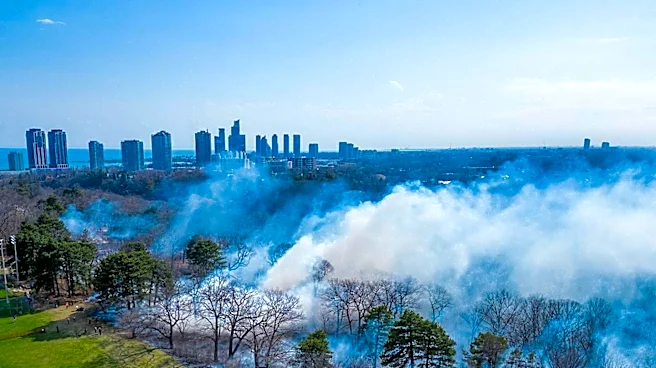
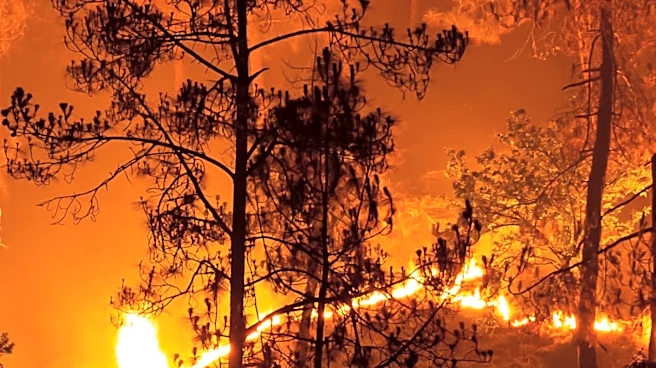
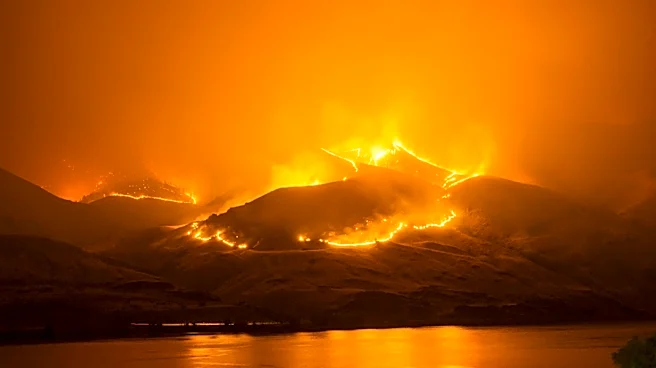
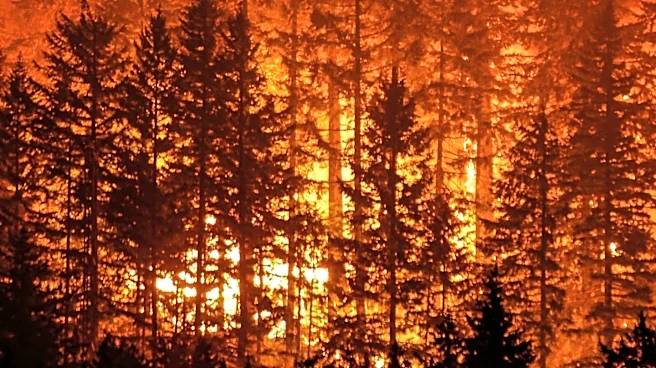
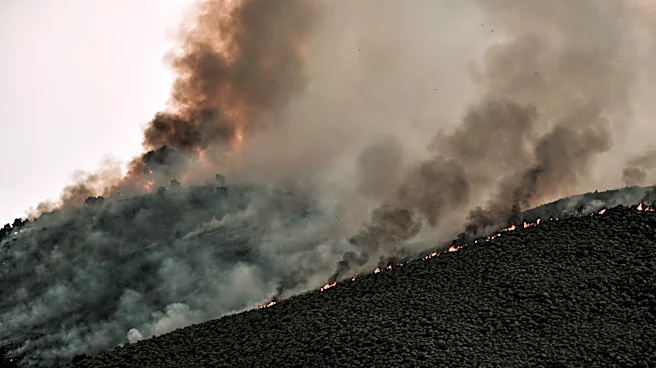
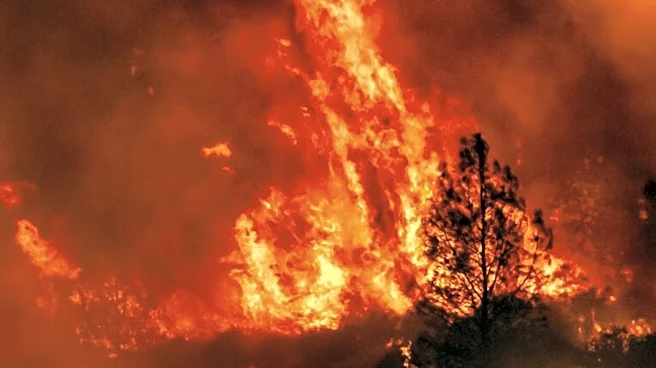
Turkey is currently battling five active wildfires across its western and southern coasts, with the risk of further fires extending into the next week. The Agriculture and Forestry Minister, İbrahim Yumaklı, reported that 202 out of 206 fires have been
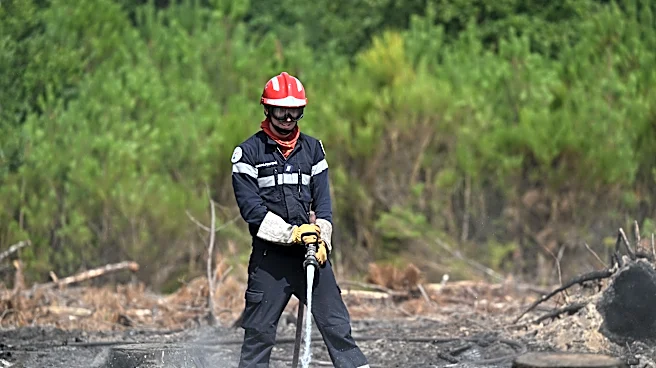
controlled since strong winds began spreading the blazes. The fires have caused significant damage, particularly in Antalya and Muğla provinces, destroying homes and livelihoods. The government has deployed extensive resources, including aircraft, helicopters, and fire trucks, to combat the fires.
Why It's Important?
The ongoing wildfires in Turkey highlight the increasing frequency and severity of such events, likely exacerbated by climate change and drought conditions. These fires pose a significant threat to local communities, ecosystems, and the economy, particularly in tourist areas like Bodrum. The situation underscores the urgent need for effective fire management strategies and climate adaptation measures. The destruction of homes and natural resources also raises concerns about the long-term recovery and resilience of affected regions.
What's Next?
Authorities are continuing their efforts to control the remaining fires and prevent new ones from igniting. The government is working to improve emergency response times and has restricted access to high-risk forest areas. As the fire risk persists, ongoing monitoring and resource allocation will be crucial. The situation may prompt further discussions on climate policy and disaster preparedness in Turkey and beyond.