





What's Happening?
Climate scientists have officially retired the RCP 8.5 scenario, which represented the highest-emission pathway in climate projections. This scenario, often used to depict the most severe outcomes of climate change, has been deemed implausible due to significant
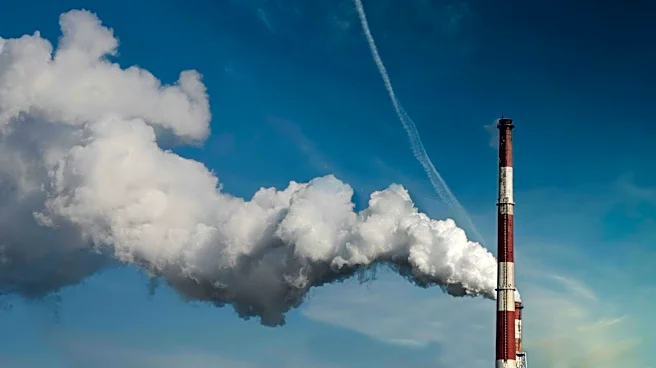
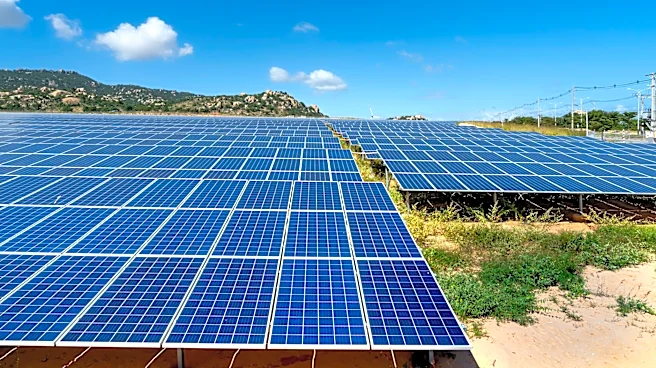
advancements in clean energy and emissions reduction policies. The RCP 8.5 scenario was initially introduced as a 'no-policy' baseline, predicting a future with unchecked fossil fuel use and a global population surge. However, recent trends show a plateau in coal consumption and a slower population growth than previously anticipated. The cost of solar power has dramatically decreased, and global investment in clean energy has surged, leading to a more optimistic projection of 2.6 degrees Celsius warming by 2100, as opposed to the 4 to 5 degrees previously feared.
Why It's Important?
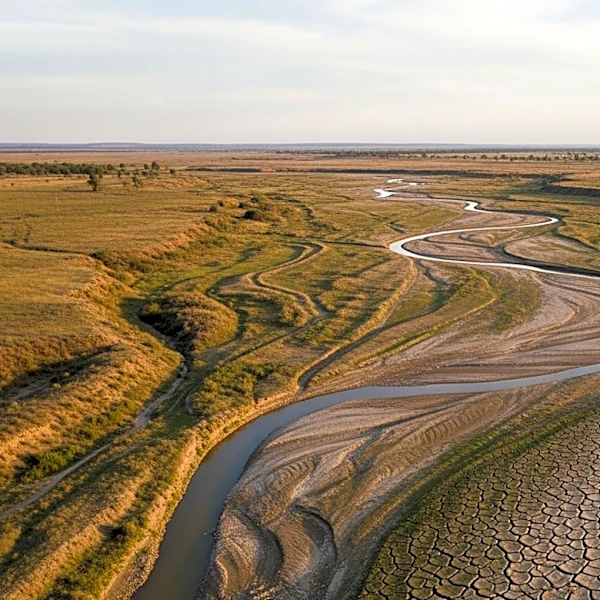
The retirement of the RCP 8.5 scenario marks a significant shift in climate science and policy, reflecting the tangible progress made in reducing global emissions. This development suggests that the world is moving away from the most catastrophic climate outcomes, thanks to technological advancements and policy interventions. The change in projections underscores the effectiveness of international efforts to curb emissions and transition to renewable energy sources. It also highlights the importance of continued investment in clean energy and the need for sustained policy support to maintain this trajectory. The shift from a worst-case scenario to a more moderate projection provides a sense of hope and motivation for further climate action.
What's Next?
With the RCP 8.5 scenario retired, the focus will likely shift to ensuring that current policies and technological advancements continue to drive emissions reductions. Policymakers and scientists will need to collaborate to refine climate models and develop new scenarios that reflect the latest data and trends. The upcoming Intergovernmental Panel on Climate Change (IPCC) Seventh Assessment Report, due in 2029, will incorporate these changes, providing updated guidance for global climate policy. Continued vigilance and adaptation will be necessary to address emerging challenges and ensure that the world remains on track to meet climate goals.
Beyond the Headlines
The retirement of the RCP 8.5 scenario also raises questions about the role of climate journalism and public perception. The scenario has been a staple in climate reporting, often used to illustrate the dire consequences of inaction. Its removal may shift the narrative towards more balanced and hopeful discussions about climate change. However, it also highlights the need for accurate communication of scientific findings to avoid misinterpretation and misinformation. As the climate narrative evolves, journalists and educators will play a crucial role in shaping public understanding and engagement with climate issues.